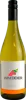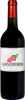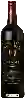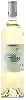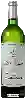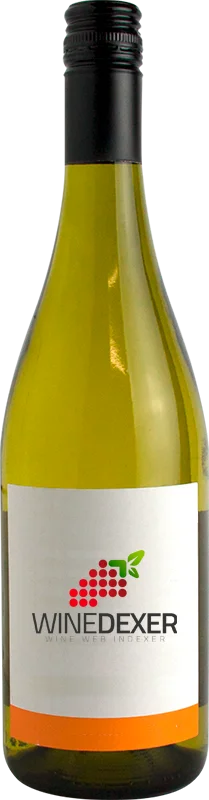
Winery TaponChateau Bellevue Les Hugons Bordeaux Blanc Sec
 White wine
This wine generally goes well with pork, vegetarian or poultry.

Food and wine pairings with Chateau Bellevue Les Hugons Bordeaux Blanc Sec
Pairings that work perfectly with Chateau Bellevue Les Hugons Bordeaux Blanc Sec



Original food and wine pairings with Chateau Bellevue Les Hugons Bordeaux Blanc Sec


The Chateau Bellevue Les Hugons Bordeaux Blanc Sec of Winery Tapon matches generally quite well with dishes of pork, vegetarian or poultry such as recipes of pasta carbonara almost like the real thing, quiche lorraine or quiche without pastry.
Details and technical informations about Winery Tapon's Chateau Bellevue Les Hugons Bordeaux Blanc Sec.
Discover the grape variety: Pardillo
Simple, fresh dry whites with a pale golden robe, a supple palate and moderate acidity, with unassuming aromas of citrus (lemon), white flowers and continental herbal notes. A refreshing, heat-resistant Castilian profile. A traditional component of La Mancha DO and Méntrida DO whites, also used in modern Spanish distillates and mistelles. Native Spanish white grape, mainly grown in Castilla-La Mancha and central Spain.
Informations about the Winery Tapon
The Winery Tapon is one of of the world's great estates. It offers 28 wines for sale in the of Bordeaux to come and discover on site or to buy online.

The wine region of Bordeaux
World-renowned age-worthy reds, led by round Merlot (plum, black fruit) or firm Cabernet Sauvignon (blackcurrant, cedar, graphite), blended with Cabernet Franc and Petit Verdot for tannic structure. Structured Médoc and Graves, velvety Saint-Émilion and Pomerol. Also crisp dry whites (Sauvignon/Sémillon) and opulent sweet Sauternes with honey and candied fruit. A 110,000 ha Gironde vineyard, 65 appellations, cradle of the 1855 classified growths.
The word of the wine: Effervescent
Any wine loaded with CO2 (carbon dioxide), which is revealed in the form of bubbles, reinforcing the freshness effect in the mouth. This gas production is the result of what is called the second fermentation in the bottle. It occurs in champagnes and sparkling wines such as crémants.