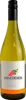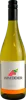
Winery Swick WinesSauvignon Blanc
 White wine


This wine generally goes well with vegetarian, rich fish (salmon, tuna etc) or shellfish.
Wine flavors and olphactive analysis



On the nose the Sauvignon Blanc of Winery Swick Wines in the region of Oregon often reveals types of flavors of non oak, earth or microbio and sometimes also flavors of oak, tree fruit or citrus fruit.
Food and wine pairings with Sauvignon Blanc
Pairings that work perfectly with Sauvignon Blanc



Original food and wine pairings with Sauvignon Blanc
The Sauvignon Blanc of Winery Swick Wines matches generally quite well with dishes of rich fish (salmon, tuna etc), shellfish or vegetarian such as recipes of smoked salmon sandwich, sublime fish and shrimp colombo or broccoli and blue cheese quiche without pastry.
Details and technical informations about Winery Swick Wines's Sauvignon Blanc.
Discover the grape variety: Muresconu
Muresconu noir is a grape variety that originated in France (Corsica). It produces a variety of grape especially used for the elaboration of wine. It is rare to find this grape to eat on our tables. Muresconu noir can be found in several vineyards: South-West, Cognac, Bordeaux, Provence & Corsica, Rhone Valley, Loire Valley, Savoie & Bugey, Beaujolais.
Last vintages of this wine
The best vintages of Sauvignon Blanc from Winery Swick Wines are 2019, 2018, 0
Informations about the Winery Swick Wines
The Winery Swick Wines is one of of the world's great estates. It offers 57 wines for sale in the of Oregon to come and discover on site or to buy online.

The wine region of Oregon
Oregon, located in the Pacific Northwest of the United States, is one of the youngest and most promising wine regions in the world. The state put itself on the international wine map in the late 1960s and has been building its position ever since. Production volumes have remained relatively quiet. The 2017 Oregon Vineyards and Wineries report recorded just under 34,000 acres (13,750 hectares) of planted vineyards.
The word of the wine: Warm
A wine rich in alcohol whose power is expressed by an alcoholic nose and a burning sensation in the mouth.