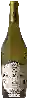
Winery Sven JoschkeLe Pète Sa Mère Arbois Chardonnay
 wine
wine
This wine generally goes well with
The Le Pète Sa Mère Arbois Chardonnay of the Winery Sven Joschke is in the top 0 of wines of Arbois.

Details and technical informations about Winery Sven Joschke's Le Pète Sa Mère Arbois Chardonnay.
Discover the grape variety: Tinto Fino
Structured, elegant reds with a deep, dark ruby color, firm, fine tannins and a dense palate, offering intense aromas of black fruits (blackberry, blackcurrant, plum), black cherry, tobacco, leather, spices and balsamic notes. Fine cellaring potential, excelling in American and French oak ageing. Star of Ribera del Duero DO (Vega Sicilia, Pingus, Pesquera) on the Castilian high plateaux. Synonym for tempranillo in Ribera del Duero.
Informations about the Winery Sven Joschke
The Winery Sven Joschke is one of of the world's greatest estates. It offers 4 wines for sale in the of Arbois to come and discover on site or to buy online.

The wine region of Arbois
First historic French AOC (1936) at the heart of the Jura: Trousseau and Poulsard signatures as light, fragrant native reds with notes of cherry, raspberry, wild strawberry and a hint of spice, fine tannins. Savagnin emblematic as an oxidative white under veil — dry and taut with notes of walnut, curry, almond and green apple, a unique Jura signature. Topped-up Chardonnay as a broad complement. Vin Jaune and Vin de Paille as age-worthy gems.
The wine region of Jura
Unique Franche-Comté region between Burgundy and Switzerland, incomparable oxidative identity. Signature mythical Vin Jaune from Savagnin: aged 6 years 3 months in cask under flor, intense whites with signature green walnut, curry, cumin, russet apple, honey and lingering iodine — 62 cl clavelin, century-long ageing. Also classic topped-up Chardonnay (citrus, butter), pale light Poulsard red (strawberry, undergrowth), dense Trousseau, fine Pinot Noir. Sweet Vin de Paille.
The word of the wine: Bleeding
Old practice for red wines. As soon as the vat is filled with grapes, the tap is opened. A sweet but clear juice escapes from the vat (it can also be used to make rosé). The colour and density of the juice is enhanced, but it should not be overdone. Rarely more than 10% of the volume of a vat, otherwise you risk losing fruit and bringing in bitterness.