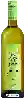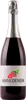
Winery Sula VineyardsZinfandel Rosé
 Pink wine



This wine generally goes well with beef, lamb or goat cheese.
The Zinfandel Rosé of the Winery Sula Vineyards is in the top 10 of wines of India and in the top 10 of wines of Nashik.

Wine flavors and olphactive analysis



On the nose the Zinfandel Rosé of Winery Sula Vineyards in the region of Nashik often reveals types of flavors of microbio, citrus fruit or red fruit and sometimes also flavors of black fruit, tropical fruit.
Food and wine pairings with Zinfandel Rosé
Pairings that work perfectly with Zinfandel Rosé



Original food and wine pairings with Zinfandel Rosé
The Zinfandel Rosé of Winery Sula Vineyards matches generally quite well with dishes of beef, lamb or goat cheese such as recipes of beef tagliata with truffle oil, lamb fillet with monbazillac or mymy's cannelloni.
Details and technical informations about Winery Sula Vineyards's Zinfandel Rosé.
Discover the grape variety: Zinfandel
Generous, high-alcohol reds with a dark robe and indulgent palate, showing aromas of stewed blackberry, raspberry, black pepper, liquorice, cinnamon and cooked fruit. Also vinified as a popular sweet rosé (White Zinfandel). Star of California (Lodi, Sonoma, Dry Creek Valley, Paso Robles) with sought-after century-old vines. Identical to Italian Primitivo and Croatian Crljenak Kaštelanski by DNA analysis.
Last vintages of this wine
The best vintages of Zinfandel Rosé from Winery Sula Vineyards are 2018, 2020, 2016, 0 and 2017.
Informations about the Winery Sula Vineyards
The Winery Sula Vineyards is one of of the world's greatest estates. It offers 45 wines for sale in the of Nashik to come and discover on site or to buy online.

The wine region of Nashik
Indian wine capital (~80% of production) in Maharashtra, ~135 km northeast of Mumbai, vineyards at 600 m, volcanic basalt soils. Dry climate sanitized by altitude. Signature Sauvignon Blanc as white king (planted in 2000 by Sula): vivid and aromatic with grapefruit, passion fruit, boxwood and white flowers. Tender Chenin, taut Riesling, floral Viognier.
The word of the wine: Deposit
Solid particles that can naturally coat the bottom of a bottle of wine. It is rather a guarantee that the wine has not been mistreated: in fact, to avoid the natural deposit, rather violent processes of filtration or cold passage (- 7 or - 8 °C) are used in order to precipitate the tartar (the small white crystals that some people confuse with crystallized sugar: just taste to dissuade you from it)