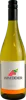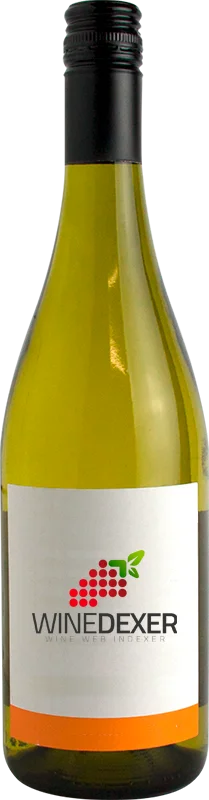
Winery Stortz NicolausSauvignon Blanc
 White wine
In the mouth this white wine is a with a nice freshness.
This wine generally goes well with vegetarian, shellfish or goat cheese.

Taste structure of the Sauvignon Blanc from the Winery Stortz Nicolaus
Light | Bold | |
Dry | Sweet | |
Soft | Acidic |
In the mouth the Sauvignon Blanc of Winery Stortz Nicolaus in the region of Pfalz is a with a nice freshness.
Food and wine pairings with Sauvignon Blanc
Pairings that work perfectly with Sauvignon Blanc


Original food and wine pairings with Sauvignon Blanc
The Sauvignon Blanc of Winery Stortz Nicolaus matches generally quite well with dishes of shellfish, vegetarian or goat cheese such as recipes of chinese fried shrimp ravioli, leek, goat cheese and bacon quiche or white pizza with bacon and cheese.
Details and technical informations about Winery Stortz Nicolaus's Sauvignon Blanc.
Discover the grape variety: Petit ribier
Simple, fruity reds to drink young, with a clear ruby robe, soft tannins and an airy palate on discreet red fruit (cherry, strawberry) and floral notes. Confidential southern heritage profile. Now virtually absent from commercial production, preserved in a few ampelographic collections for its patrimonial and historical interest. Rare French black variety, formerly grown in Languedoc and Provence.
Informations about the Winery Stortz Nicolaus
The Winery Stortz Nicolaus is one of of the world's greatest estates. It offers 23 wines for sale in the of Pfalz to come and discover on site or to buy online.

The wine region of Pfalz
Fleshy, dry, fruity Riesling is the region's signature: yellow peach, apricot, ripe citrus, lovely mineral tension. Germany's largest red-wine area (40%), with silky Spätburgunder showing red fruit and spice, darker structured Dornfelder, supple Portugieser. Some rounded Pinot Blanc and Pinot Gris. A 23,640 ha vineyard along the Haardt, among Germany's warmest (>2,000 h of sun).
The word of the wine: Second fermentation
In the making of champagne, fermentation of the base wine to which is added the liqueur de tirage and which takes place in the bottle. This second fermentation produces the carbon dioxide, and therefore the bubbles that make up the effervescence of the wine.