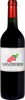
Winery Stellenbosch HillsAntonie Vlatman Limited Release
 wine
wine
This wine generally goes well with
The Antonie Vlatman Limited Release of the Winery Stellenbosch Hills is in the top 0 of wines of Coastal Region.

Details and technical informations about Winery Stellenbosch Hills's Antonie Vlatman Limited Release.
Discover the grape variety: Terret
Polymorphic family (blanc, gris and noir, mutations of the same variety) yielding crisp, saline whites with citrus, white flowers, fennel and iodine notes, or light fruity reds. Refreshing palate with preserved acidity under warm conditions. Traditional component of Picpoul de Pinet AOC, present in Languedoc, Côtes-du-Rhône AOC and Châteauneuf-du-Pape AOC (terret noir authorised). Very old Languedoc autochthonous variety, signature of Mediterranean coastal terroirs.
Last vintages of this wine


The best vintages of Antonie Vlatman Limited Release from Winery Stellenbosch Hills are 2014, 0
Informations about the Winery Stellenbosch Hills
The Winery Stellenbosch Hills is one of of the world's greatest estates. It offers 20 wines for sale in the of Coastal Region to come and discover on site or to buy online.

The wine region of Coastal Region
South African wine heartland (Western Cape), qualitative elite. Signature Chenin Blanc ("Steen"): full whites with notes of apple, pear, quince, honey and citrus. Dense Cabernet Sauvignon (blackcurrant, eucalyptus, tobacco), spicy Shiraz and native smoky Pinotage (cherry, coffee). Historic Constantia for its legendary sweet wines.
The wine region of Western Cape
Cradle of South African wine. Signature Chenin Blanc (Steen, 20%) in ample, fresh whites with notes of quince, yellow apple, honey and acacia flower, from crisp dry to sweet. Sharp, iodised Sauvignon Blanc (Walker Bay, Constantia), balanced Chardonnay. Reds: emblematic Pinotage with roasted aromas (coffee, plum, smoke), firm Cabernet Sauvignon, spicy Syrah.
The word of the wine: Muscaté
Wine reminiscent of the characteristic aromas of fresh muscat grapes.