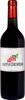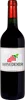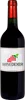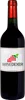
Winery Сталинское Слово (Stalin's Word)Хванчкара Полусладкое Красное (Khvanchkara Semi Sweet Red)
 wine
wine
This wine generally goes well with
The Хванчкара Полусладкое Красное (Khvanchkara Semi Sweet Red) of the Winery Сталинское Слово (Stalin's Word) is in the top 0 of wines of Khvanchkara.
Details and technical informations about Winery Сталинское Слово (Stalin's Word)'s Хванчкара Полусладкое Красное (Khvanchkara Semi Sweet Red).
Discover the grape variety: Corbeau
Corbeau noir is a grape variety that originated in France (Savoie). It produces a variety of grape specially used for wine making. It is rare to find this grape to eat on our tables. This variety of grape is characterized by large bunches of grapes of medium size. The Corbeau Noir can be found in several vineyards: South-West, Cognac, Bordeaux, Savoie & Bugey, Loire Valley, Provence & Corsica, Rhône Valley.
Informations about the Winery Сталинское Слово (Stalin's Word)
The Winery Сталинское Слово (Stalin's Word) is one of wineries to follow in Khvanchkara.. It offers 4 wines for sale in the of Khvanchkara to come and discover on site or to buy online.

The wine region of Khvanchkara
The wine region of Khvanchkara is located in the region of Racha-Lechkhumi of Georgia. Wineries and vineyards like the Khvanchkara Winery or the Domaine Shumi produce mainly wines red and pink. The most planted grape varieties in the region of Khvanchkara are Saperavi, they are then used in wines in blends or as a single variety. On the nose of Khvanchkara often reveals types of flavors of spices, red fruit or non oak and sometimes also flavors of earth, oak or black fruit.
The wine region of Racha-Lechkhumi
The wine region of Racha-Lechkhumi of Georgia. Wineries and vineyards like the Domaine Khareba or the Domaine Marani produce mainly wines red and white. The most planted grape varieties in the region of Racha-Lechkhumi are Saperavi et Goruli mtsvane, they are then used in wines in blends or as a single variety. On the nose of Racha-Lechkhumi often reveals types of flavors of tree fruit, earth or red fruit and sometimes also flavors of vegetal, tropical fruit or non oak.
The word of the wine: Gravelle
Term designating the deposit of tartar crystals in bottled white wines.