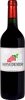
Winery Staatlicher HofkellerRot Cuvée Trocken
 Red wine
This wine generally goes well with

Details and technical informations about Winery Staatlicher Hofkeller's Rot Cuvée Trocken.
Discover the grape variety: Bertille Seyve 872
Colourful, simple fruity reds with a light purple robe, silky tannins and an airy palate with preserved acidity, showing undemonstrative aromas of red and black fruits. Early-ripening and productive. Now marginal, surviving in a few varietal collections and bearing witness to the history of post-phylloxera hybridisation in France. French black hybrid obtained in the early 20th century by Bertille Seyve, an interspecific disease-resistant cross.
Informations about the Winery Staatlicher Hofkeller
The Winery Staatlicher Hofkeller is one of wineries to follow in Franken.. It offers 92 wines for sale in the of Franken to come and discover on site or to buy online.

The wine region of Franken
Homeland of German Silvaner: dry, straight, mineral and lively whites with notes of green apple, citrus, fresh herbs and a saline touch, planted here for over 350 years (1,500 ha, a quarter of the vineyard). Also supple, floral Müller-Thurgau, taut Riesling, aromatic Bacchus. Some discreet reds (Spätburgunder). 6,040 ha in Bavaria along the Main around Würzburg, red sandstone and shell-limestone soils.
The word of the wine: Flint (smell of)
Mineral odour reminiscent of flint and flint heated during sharpening.