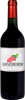
Winery St. JulianChambourcin
 Red wine
This wine generally goes well with game (deer, venison) and spicy food.

Food and wine pairings with Chambourcin
Pairings that work perfectly with Chambourcin


Original food and wine pairings with Chambourcin
The Chambourcin of Winery St. Julian matches generally quite well with dishes of game (deer, venison) or spicy food such as recipes of duck breast with red fruits or daube niçoise.
Details and technical informations about Winery St. Julian's Chambourcin.
Discover the grape variety: Chambourcin
Richly coloured and fruity reds with a purple colour and supple tannins, on aromas of black cherry, blackberry, blackcurrant, spices and herbal notes. Round palate, fresh finish, best drunk young. A disease-resistant hybrid, it produces organic and sustainable reds in the Loire Valley (IGP Atlantique, IGP Val de Loire), the United States (Pennsylvania, Missouri, Virginia) and Australia (New South Wales). French hybrid created in 1963 by Joannès Seyve.
Informations about the Winery St. Julian
The Winery St. Julian is one of wineries to follow in Lake Michigan Shore.. It offers 90 wines for sale in the of Lake Michigan Shore to come and discover on site or to buy online.

The wine region of Lake Michigan Shore
Southwest Michigan AVA tempered by the lake (>90% of state vines), climate softened by lake effect. Riesling signature white: taut and aromatic with signature notes of white apple, peach, lemon, white flowers and mineral touch, lively long mouth — from dry to off-dry fragrant. Ample Chardonnay, fine silky Pinot Noir (cherry, undergrowth), peppery Cabernet Franc. Also Chambourcin hybrid and native Concord.
The wine region of Michigan
Midwestern wine state on the 45th parallel (Burgundy, Piedmont), tempered by the Great Lakes (lake effect). Signature Riesling: precise, taut whites with signature notes of citrus, green apple, white peach, white flowers and saline minerality, crisp acidity - from dry to off-dry. Also ample Chardonnay, perfumed Pinot Gris, opulent Gewürztraminer (lychee, rose). Fresh, silky Pinot Noir in red.
The word of the wine: Phenolic ripeness
A distinction is made between the ripeness of sugars and acids and the ripeness of tannins and other compounds such as anthocyanins and tannins, which will bring structure and colour. Grapes can be measured at 13° potential without having reached this phenolic maturity. Vinified at this stage, they will give hard, astringent wines, without charm.