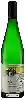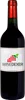
Winery St. ChristopherBernkasteler Kurfürstlay Riesling Spätlese
 wine
wine
This wine generally goes well with
The Bernkasteler Kurfürstlay Riesling Spätlese of the Winery St. Christopher is in the top 0 of wines of Bernkastel.

Details and technical informations about Winery St. Christopher's Bernkasteler Kurfürstlay Riesling Spätlese.
Discover the grape variety: Bondola noire
Light and rustic reds with a clear ruby colour, silky tannins and an airy palate with preserved acidity, featuring signature aromas of cherry, alpine herbs and rustic Ticinese notes. Drink-young profile. Preserved by a few winegrowers attached to traditional Ticinese and alpine viticulture, it bears witness to an alpine ampelographic heritage. Autochthonous black grape from Ticino, grown almost exclusively in Ticino (Italian-speaking Switzerland).
Informations about the Winery St. Christopher
The Winery St. Christopher is one of of the world's greatest estates. It offers 13 wines for sale in the of Bernkastel to come and discover on site or to buy online.

The wine region of Bernkastel
Qualitative peak of the Middle Mosel (Mittelmosel), slopes of 45–60% plunging to the river, blue shale and slate with perfect drainage. Riesling is the signature white king (~60%): taut and airy with citrus, white peach, green apple, white flowers, slate smoke and signature mineral touch, vibrant acidity balancing residual sugar. Mythical vineyards: Doktor (1. 8 ha), Wehlener Sonnenuhr, Graacher Himmelreich.
The wine region of Mosel
Kingdom of lively, crystalline Riesling: citrus, green apple, gunflint, tangy tension and signature slate minerality. From light, fruity Kabinett to off-dry Spätlese, up to sweet Auslese and Trockenbeerenauslese of rare finesse. Some supple Müller-Thurgau and lively Elbling. Steeply sloped vineyards (up to 65% at the Bremmer Calmont) on blue and grey slate, 5,400 ha of Riesling (61.
The word of the wine: Effervescent
Any wine loaded with CO2 (carbon dioxide), which is revealed in the form of bubbles, reinforcing the freshness effect in the mouth. This gas production is the result of what is called the second fermentation in the bottle. It occurs in champagnes and sparkling wines such as crémants.