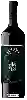
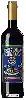
Winery SibonaBarolo Chinato
 Sweet wine


This wine generally goes well with

Details and technical informations about Winery Sibona's Barolo Chinato.
Discover the grape variety: Klevener de Heiligenstein
Aromatic, refined dry whites with a pale golden colour, a full palate and preserved acidity, showing signature aromas of discreet muscat notes (rose), white flowers, white-fleshed fruits (pear) and delicate spicy notes. A distinctive aromatic profile, more restrained than Gewurztraminer. Preserved under a specific Alsatian appellation around Heiligenstein (Bas-Rhin), producing identity-driven wines. Rare Alsatian white variety, identical to the Jurassian Savagnin Rose.
Last vintages of this wine
The best vintages of Barolo Chinato from Winery Sibona are 0
Informations about the Winery Sibona
The Winery Sibona is one of of the world's great estates. It offers 19 wines for sale in the of Barolo Chinato to come and discover on site or to buy online.

The wine region of Barolo Chinato
Piedmontese DOCG aromatised wine (Barolo base 100% Nebbiolo, South American cinchona quinine, gentian, rhubarb, cinnamon, coriander, orange zest, clove): Nebbiolo is the signature fortified red — penetrating and ethereal with ripe fruit (blackberry, plum, strawberry), sweet spice, dry herbs, tobacco, tar, rose, dark chocolate and liquorice, distinctive bitterness from cinchona balanced by sweet botanicals, dry persistent finish, a meditation wine.
The wine region of Piedmont
Kingdom of Nebbiolo: Barolo and Barbaresco DOCG, long-ageing reds with firm tannins and lively acidity, complex aromas of withered rose, sour cherry, tar, truffle and undergrowth. More accessible, tangy Barbera on red fruit, supple, crisp Dolcetto. Sweet, floral sparkling Moscato d'Asti, mineral, lemony Gavi (Cortese) white, round, almondy Arneis from Roero. 50,000 ha across the Langhe, Roero and Monferrato, UNESCO.
The word of the wine: Decanter
1) Glass container with a narrow neck used to aerate or decant the wine. 2) Decanter wines: wines that are drunk young and that were once drawn directly from the barrel. For example, some Muscadets or Beaujolais.