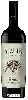
Winery Sesta GrandeRiserva Sole Di Sesta Chianti Classico
 Unknow wine



This wine generally goes well with poultry, beef or veal.
Food and wine pairings with Riserva Sole Di Sesta Chianti Classico
Pairings that work perfectly with Riserva Sole Di Sesta Chianti Classico



Original food and wine pairings with Riserva Sole Di Sesta Chianti Classico
The Riserva Sole Di Sesta Chianti Classico of Winery Sesta Grande matches generally quite well with dishes of beef, veal or poultry such as recipes of pork shoulder with mustard, veal tagine with preserved lemons and saffron or turkey leg with dijon sauce.
Details and technical informations about Winery Sesta Grande's Riserva Sole Di Sesta Chianti Classico.
Discover the grape variety: Duras
Duras noir is a grape variety that originated in France (Tarn). It produces a variety of grape specially used for wine making. It is rare to find this grape to eat on our tables. This variety of grape is characterized by medium-sized bunches and small grapes. Duras noir can be found in several vineyards: South-West, Cognac, Bordeaux, Armagnac, Provence & Corsica, Rhone Valley, Languedoc & Roussillon.
Last vintages of this wine
The best vintages of Riserva Sole Di Sesta Chianti Classico from Winery Sesta Grande are 0, 2011
Informations about the Winery Sesta Grande
The Winery Sesta Grande is one of of the world's greatest estates. It offers 1 wines for sale in the of Chianti to come and discover on site or to buy online.

The wine region of Chianti
The wine region of Chianti is located in the region of Toscane of Italy. We currently count 1721 estates and châteaux in the of Chianti, producing 2759 different wines in conventional, organic and biodynamic agriculture. The wines of Chianti go well with generally quite well with dishes .
The wine region of Tuscany
Tuscany is one of the most famous and prolific wine regions in Europe. It is best known for its Dry red wines made from Sangiovese grapes, which dominate production. These include Chianti, Brunello di Montalcino and Vino Nobile di Montepulciano. The region's Vin Santo is also highly prized, as are its passito dessert wines, though these are produced in comparatively tiny quantities.
The word of the wine: Plant
Smells present in certain wines and characteristic of the plant world. Heather, mint or blackcurrant leaf are considered pleasant, while herbaceous notes are considered a defect.