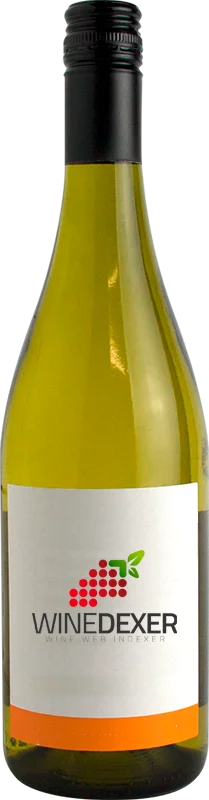
Winery Señorio de PedrazaMacabeo
 White wine


This wine generally goes well with

Details and technical informations about Winery Señorio de Pedraza's Macabeo.
Discover the grape variety: Coda di Volpe Biancha
Structured and full-bodied dry whites with a pale golden colour, broad palate and moderate acidity, with signature aromas of white flowers (acacia), ripe yellow fruit (pear, peach, apricot), honey and volcanic mineral notes. A sunny Campanian profile. Grown mainly in the Vesuvius and Sannio areas, it features in the DOC whites of Campania (Vesuvio, Sannio). An indigenous Italian white variety from Campania, its name meaning "fox's tail" (shape of the bunches).
Last vintages of this wine
The best vintages of Macabeo from Winery Señorio de Pedraza are 0
Informations about the Winery Señorio de Pedraza
The Winery Señorio de Pedraza is one of of the world's greatest estates. It offers 11 wines for sale in the of Ribera del Guadiana to come and discover on site or to buy online.

The wine region of Ribera del Guadiana
DO of Extremadura grouping 6 sub-zones (dominant Tierra de Barros), continental climate with scorching summers (40 °C). Signature Tempranillo as king red: supple and sunlit with ripe cherry, plum, leather, vanilla (oak ageing), tobacco and spices, round tannins and fleshy palate. Fruity Garnacha, colour-rich Bobal, peppery Syrah, firm Cabernet. Lively Pardina, neutral Cayetana Blanca, citrus Viura whites.
The wine region of Estrémadure
Autonomous community of western Spain, the 2nd largest national vineyard (~87,000 ha) with excellent value for money. Tempranillo signature in red: round and accessible with signature notes of ripe cherry, plum, soft vanilla, leather and a spicy touch, supple tannins. Sun-drenched Garnacha, colourful Bobal, firm Cabernet complete the line-up. Vivid Cayetana and Pardina whites (citrus, flowers).
The word of the wine: Phenolic ripeness
A distinction is made between the ripeness of sugars and acids and the ripeness of tannins and other compounds such as anthocyanins and tannins, which will bring structure and colour. Grapes can be measured at 13° potential without having reached this phenolic maturity. Vinified at this stage, they will give hard, astringent wines, without charm.