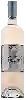
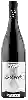
Winery Sélection Clément VignotChâteauneuf-du-Pape Rouge
 wine
wine
This wine generally goes well with
The Châteauneuf-du-Pape Rouge of the Winery Sélection Clément Vignot is in the top 0 of wines of Châteauneuf-du-Pape.

Details and technical informations about Winery Sélection Clément Vignot's Châteauneuf-du-Pape Rouge.
Discover the grape variety: Chasan
Aromatic and structured whites with a golden robe, full mouthfeel and preserved acidity, with aromas of yellow fruits (peach, pear), citrus, white flowers (acacia), light honey and sunny Mediterranean notes. Productive and well-adapted to hot climates. Grown in Languedoc-Roussillon for IGP Pays d'Oc, as single-variety or blended cuvées. A French hybrid created in 1958 in Montpellier by Paul Truel (Palomino × Chardonnay).
Informations about the Winery Sélection Clément Vignot
The Winery Sélection Clément Vignot is one of of the world's greatest estates. It offers 15 wines for sale in the of Châteauneuf-du-Pape to come and discover on site or to buy online.

The wine region of Châteauneuf-du-Pape
Pinnacle of great southern Rhône reds, up to 13 blended grapes: signature Grenache as king — powerful and structured with notes of black cherry, kirsch, garrigue, leather, tar and sweet spices, firm tannins when young and gamey complexity with ageing. Deep Syrah, dense Mourvèdre and supple Cinsault complete it. Rare full whites (Grenache Blanc, Clairette, Roussanne) with almond, anise, honeysuckle notes. Legendary AOC (1936), rolled pebbles, mistral and sun.
The wine region of Rhone Valley
France's 2nd-largest AOC vineyard, two complementary worlds. Northern: pure Syrah in signature reds (Côte-Rôtie, Hermitage, Cornas), deep and peppery with blackberry, violet, black olive and smoked bacon notes, exceptional ageing. Opulent Viognier whites (Condrieu, apricot, flowers) and ample Marsanne-Roussanne. Southern: sun-soaked Grenache blends at Châteauneuf, Gigondas, Vacqueyras (candied fruit, garrigue).
The word of the wine: Tastevin
Metal cup, wide and of low height, being used to mirror and taste the wine. Still used in wine brotherhoods for its emblematic and folkloric character, the tastevin has been replaced by the various tasting glasses.