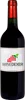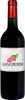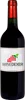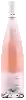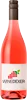
Winery SeilónRosado
 Pink wine


This wine generally goes well with beef and mature and hard cheese.

Food and wine pairings with Rosado
Pairings that work perfectly with Rosado


Original food and wine pairings with Rosado
The Rosado of Winery Seilón matches generally quite well with dishes of beef or mature and hard cheese such as recipes of barbecue burger or pasta gratin with comté cheese.
Details and technical informations about Winery Seilón's Rosado.
Discover the grape variety: Malvar
Fresh, aromatic dry whites with a pale golden colour, a supple palate and preserved acidity, showing signature aromas of citrus (lemon, grapefruit), white flowers, white-fleshed fruits (pear) and calcareous mineral notes. Continental refreshing profile. An essential component of Vinos de Madrid DO sub-region of Arganda, defining the viticultural identity of the Spanish capital region. Native white variety from Madrid, productive and historic.
Last vintages of this wine
The best vintages of Rosado from Winery Seilón are 0
Informations about the Winery Seilón
The Winery Seilón is one of of the world's greatest estates. It offers 4 wines for sale in the of Ribera del Guadiana to come and discover on site or to buy online.

The wine region of Ribera del Guadiana
DO of Extremadura grouping 6 sub-zones (dominant Tierra de Barros), continental climate with scorching summers (40 °C). Signature Tempranillo as king red: supple and sunlit with ripe cherry, plum, leather, vanilla (oak ageing), tobacco and spices, round tannins and fleshy palate. Fruity Garnacha, colour-rich Bobal, peppery Syrah, firm Cabernet. Lively Pardina, neutral Cayetana Blanca, citrus Viura whites.
The wine region of Estrémadure
Autonomous community of western Spain, the 2nd largest national vineyard (~87,000 ha) with excellent value for money. Tempranillo signature in red: round and accessible with signature notes of ripe cherry, plum, soft vanilla, leather and a spicy touch, supple tannins. Sun-drenched Garnacha, colourful Bobal, firm Cabernet complete the line-up. Vivid Cayetana and Pardina whites (citrus, flowers).
The word of the wine: Residual sugars
Sugars not transformed into alcohol and naturally present in the wine. The perception of residual sugars is conditioned by the acidity of the wine. The more acidic the wine is, the less sweet it will seem, given the same amount of sugar.