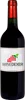
Winery SchneickertLeiselheimer Merlot
 wine
wine
This wine generally goes well with
The Leiselheimer Merlot of the Winery Schneickert is in the top 0 of wines of Worms.
Details and technical informations about Winery Schneickert's Leiselheimer Merlot.
Discover the grape variety: Noual
This is an ancient grape variety from the southwest that used to be found mainly in the Lot (west of the Cahors vineyard) and Tarn-et-Garonne departments. It is now little present in the vineyard and is therefore in the process of disappearing, although it is listed in the Official Catalogue of Wine Grape Varieties, list A1.
Informations about the Winery Schneickert
The Winery Schneickert is one of of the world's greatest estates. It offers 8 wines for sale in the of Worms to come and discover on site or to buy online.

The wine region of Worms
The wine region of Worms is located in the region of Rheinhessen of Germany. Wineries and vineyards like the Domaine Weingut Zoller or the Domaine Weingut Zoller produce mainly wines white and red. The most planted grape varieties in the region of Worms are Riesling et Dornfelder, they are then used in wines in blends or as a single variety. In the mouth of Worms is a powerful with a nice freshness.
The wine region of Rheinhessen
Rheinhessen is Germany's largest region for producing the quality wines of the Qualitätswein bestimmter Anbaugebiete (QbA) and Prädikatswein designations, with roughly 26,500 hectares (65,000 acres) of Vineyard">Vineyards as of 2014. Many of its most significant viticultural areas are favorably influenced by the Rhine river, which runs aLong its North and eastern borders. The Rhine, along with the Nahe river to the west and the Haardt mountains to its South, form a natural border. Rheinhessen covers an area south of Rheingau, north of Pfalz and east of Nahe, and is located within the Rhineland-Palatinate federal state.
The word of the wine: Sommelier
Person working in a restaurant and responsible for the wine service. The head sommelier is responsible for putting together the wine list, managing the sommelier brigade, and ensuring the sale of wines according to the dishes (food and wine pairing).