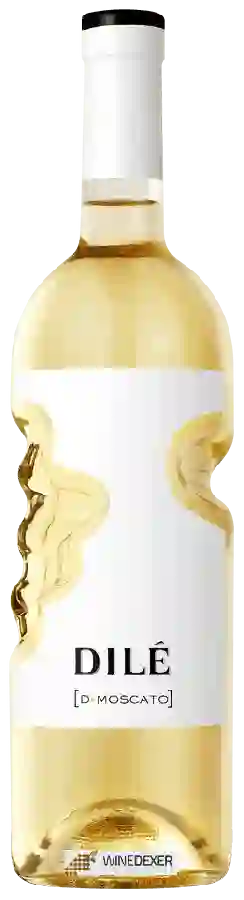
Winery SanteroDilé D - Moscato
 Sparkling wine


This wine generally goes well with sweet desserts
The Dilé D - Moscato of the Winery Santero is in the top 50 of wines of Piedmont.

Wine flavors and olphactive analysis

On the nose the Dilé D - Moscato of Winery Santero in the region of Piedmont often reveals types of flavors of tree fruit, tropical fruit.
Food and wine pairings with Dilé D - Moscato
Pairings that work perfectly with Dilé D - Moscato

Original food and wine pairings with Dilé D - Moscato
The Dilé D - Moscato of Winery Santero matches generally quite well with dishes of sweet desserts such as recipes of birthday cake.
Details and technical informations about Winery Santero's Dilé D - Moscato.
Discover the grape variety: Albillo mayor
Structured, fat dry whites with a pale golden robe, an ample palate and preserved acidity of refined yellow fruits (pear, peach, apricot), candied citrus, white flowers, fennel and calcareous mineral notes. Fine lees-ageing potential. Emerging star of Ribera del Duero DO whites (officially approved in 2019) on the Castilian high plateaus. Native Spanish grape of the upper Douro valley, descendant of hebén, in full qualitative revival.
Last vintages of this wine

The best vintages of Dilé D - Moscato from Winery Santero are 2013, 2014, 0, 2015 and 2019.
Informations about the Winery Santero
The Winery Santero is one of of the world's greatest estates. It offers 88 wines for sale in the of Piedmont to come and discover on site or to buy online.

The wine region of Piedmont
Kingdom of Nebbiolo: Barolo and Barbaresco DOCG, long-ageing reds with firm tannins and lively acidity, complex aromas of withered rose, sour cherry, tar, truffle and undergrowth. More accessible, tangy Barbera on red fruit, supple, crisp Dolcetto. Sweet, floral sparkling Moscato d'Asti, mineral, lemony Gavi (Cortese) white, round, almondy Arneis from Roero. 50,000 ha across the Langhe, Roero and Monferrato, UNESCO.
The word of the wine: Bacchus
Roman god of the vine and wine, often evoked to qualify everything that concerns the world of wine, and in particular its consumption. His name gave the adjective "bachique" which suggests the idea of celebration and conviviality.