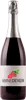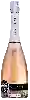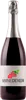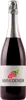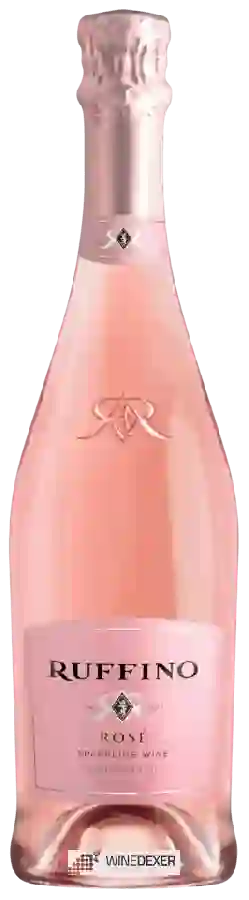
Winery RuffinoSparkling Rosé
 Sparkling wine



This wine is composed of 100% of the grape variety Pinot Noir.
This wine generally goes well with

Wine flavors and olphactive analysis






On the nose the Sparkling Rosé of Winery Ruffino in the region of Vino da Tavola often reveals types of flavors of non oak, earth or microbio and sometimes also flavors of vegetal, oak or tree fruit.
Details and technical informations about Winery Ruffino's Sparkling Rosé.
Discover the grape variety: Glera
Fresh, fruity sparkling wines with fine bubbles and an airy mouth, featuring aromas of green apple, pear, white peach, white flowers, citrus and fresh almond notes. Tonic acidity, light and refreshing finish. The undisputed star of Prosecco DOC, Prosecco di Conegliano Valdobbiadene DOCG and Asolo Prosecco DOCG, one of the world's most exported sparkling wines (Charmat method). Native Venetian grape, formerly called Prosecco.
Last vintages of this wine
The best vintages of Sparkling Rosé from Winery Ruffino are 2017, 2016, 2019, 2018 and 2009.
Informations about the Winery Ruffino
The Winery Ruffino is one of of the world's greatest estates. It offers 107 wines for sale in the of Vino da Tavola to come and discover on site or to buy online.

The wine region of Vino da Tavola
The freest category of Italian wine, with no grape or zone constraint. All styles: bold reds based on Bordeaux grapes (Cabernet, Merlot), atypical blends, maker's cuvées outside DOC rules. Historic cradle of the "Super Tuscans" in the 1960s-80s (Sassicaia, Tignanello, Ornellaia) before the creation of IGT in 1992. Today dedicated to everyday wines or winemaker experiments.
The word of the wine: Presses
The juice that results from pressing the grapes after fermentation. At the end of the maceration, the vats are emptied, the first juice obtained is called the free-run wine and the marc remaining at the bottom of the vat is then pressed to give the press wine. We say more quickly "the presses". Their quality varies according to the vintage and the maceration. A too vigorous extraction releases the tannins of pips and the wine of press can then prove to be very astringent. Often the winemaker raises it separately, deciding later whether or not to incorporate it totally or partially into the grand vin.