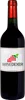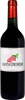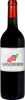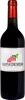
Winery RosorettoDolcetto d'Alba Parussi
 wine
wine
This wine generally goes well with
The Dolcetto d'Alba Parussi of the Winery Rosoretto is in the top 0 of wines of Dolcetto d'Alba.

Details and technical informations about Winery Rosoretto's Dolcetto d'Alba Parussi.
Discover the grape variety: Optima
Aromatic, full-bodied whites with a pale golden robe, a supple palate and moderate acidity, showing signature muscat aromas, white flowers (elderflower, acacia), yellow fruits (pear, peach, apricot) and honeyed notes. An early-ripening profile, vinified dry, sweet and botrytised. Grown in Germany (Mosel, Rheinhessen) and England for aromatic white wines. A German variety created in 1929 at Geilweilerhof ((Silvaner × Riesling) × Müller-Thurgau).
Informations about the Winery Rosoretto
The Winery Rosoretto is one of of the world's greatest estates. It offers 9 wines for sale in the of Dolcetto d'Alba to come and discover on site or to buy online.

The wine region of Dolcetto d'Alba
Piedmontese DOC of the Langhe south of Alba, the everyday wine of Barolo and Barbaresco growers. Signature Dolcetto ("little sweet one"): purplish, fruity reds with signature notes of black cherry, blackberry, fresh plum, violet and bitter almond on the finish, present tannins but little acidity, a round and moreish palate — to drink young (1-3 years). A perfect match for cured meats, ragù pasta and Piedmontese cheeses. ~1,900 ha across 33+ communes.
The wine region of Piedmont
Kingdom of Nebbiolo: Barolo and Barbaresco DOCG, long-ageing reds with firm tannins and lively acidity, complex aromas of withered rose, sour cherry, tar, truffle and undergrowth. More accessible, tangy Barbera on red fruit, supple, crisp Dolcetto. Sweet, floral sparkling Moscato d'Asti, mineral, lemony Gavi (Cortese) white, round, almondy Arneis from Roero. 50,000 ha across the Langhe, Roero and Monferrato, UNESCO.
The word of the wine: Tanin
A natural compound contained in the skin of the grape, the seed or the woody part of the bunch, the stalk. The maceration of red wines allows the extraction of tannins, which give the texture, the solidity and also the mellowness when the tannins are "ripe". The winemaker seeks above all to extract the tannins from the skin, the ripest and most noble. The tannins of the seed or stalk, which are "greener", especially in average years, give the wine hardness and astringency. The wines of Bordeaux (based on Cabernet and Merlot) are full of tannins, those of Burgundy much less so, with Pinot Noir containing little.