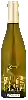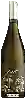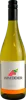
Winery Ronco del GelsoChardonnay
 wine
wine
This wine generally goes well with
The Chardonnay of the Winery Ronco del Gelso is in the top 0 of wines of Friuli.

Details and technical informations about Winery Ronco del Gelso's Chardonnay.
Discover the grape variety: Ondenc
Structured, aromatic dry, medium-sweet and sweet whites with a pale golden to amber color, ample palate and preserved acidity, with signature aromas of yellow fruits (peach, apricot, quince), candied citrus, white flowers, honey and spiced notes. Fine ageing and cellaring potential. Traditional component of Gaillac AOC, particularly in sweet and passito styles. Rare indigenous South-West French variety, Gaillac's signature.
Informations about the Winery Ronco del Gelso
The Winery Ronco del Gelso is one of of the world's great estates. It offers 25 wines for sale in the of Friuli to come and discover on site or to buy online.

The wine region of Friuli
Autonomous region of north-east Italy on the Slovenian border, kingdom of elegant whites (77%). Signature native Friulano (Tocai) with signature notes of fresh almond, pear, white flowers, soft herbs and a mineral touch, round and long palate. Taut Ribolla Gialla (citrus, saline), saline Pinot Grigio, lively Sauvignon Blanc, rare sweet Picolit. Intriguing native reds: dense Refosco (black cherry, spices), peppery Schioppettino, Pignolo.
The wine region of Friuli-Venezia Giulia
Italian benchmark of great whites of elegance and minerality. Emblematic Friulano with notes of fresh almond, pear and white flowers, taut Ribolla Gialla, precise Pinot Grigio, lively Sauvignon and balanced Chardonnay. Rare sweet Picolit (DOCG), saline Malvasia Istriana. Rising reds: fruity spicy Refosco, more tannic Pignolo and Schioppettino.
The word of the wine: Piqué
Altered wine characterized by a vinegar smell.