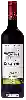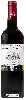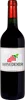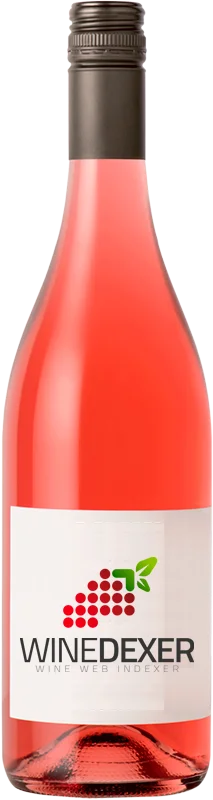
Château RomfortBordeaux Clairet
 Pink wine
This wine generally goes well with

Details and technical informations about Château Romfort's Bordeaux Clairet.
Discover the grape variety: Clairette
Vibrant and fresh rosés and clairets with a pale robe and tender mouth, featuring aromas of white flowers, citrus, fennel and delicate anise notes. Moderate acidity, light finish. A pink-skinned mutation of clairette blanche, occasionally blended into Provençal and Languedoc rosés. Clairette blanche signs Clairette de Die, Clairette du Languedoc AOC and enters Châteauneuf-du-Pape whites. Native southern French grape.
Informations about the Château Romfort
The Château Romfort is one of of the world's greatest estates. It offers 5 wines for sale in the of Bordeaux Clairet to come and discover on site or to buy online.

The wine region of Bordeaux Clairet
Bordeaux AOC heir of the medieval Anglo-Aquitaine "Claret", halfway between rosé and light red. Short maceration (24-72 h) on Bordeaux varieties. Cherry-hued signature wines with signature notes of red cherry, raspberry, redcurrant, wild strawberry, flowers and spice hint, light tannins and fresh palate — Merlot brings roundness, Cabernet Franc pepper, Cabernet Sauvignon structure. More structured than a rosé.
The wine region of Bordeaux
World-renowned age-worthy reds, led by round Merlot (plum, black fruit) or firm Cabernet Sauvignon (blackcurrant, cedar, graphite), blended with Cabernet Franc and Petit Verdot for tannic structure. Structured Médoc and Graves, velvety Saint-Émilion and Pomerol. Also crisp dry whites (Sauvignon/Sémillon) and opulent sweet Sauternes with honey and candied fruit. A 110,000 ha Gironde vineyard, 65 appellations, cradle of the 1855 classified growths.
The word of the wine: Imperial
Bottle with a capacity of 6 liters (synonym of mathusalem).