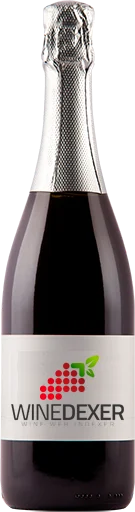
Winery RiméTorrontés Extra Brut
 Sparkling wine



This wine generally goes well with pork, rich fish (salmon, tuna etc) or cured meat.
Food and wine pairings with Torrontés Extra Brut
Pairings that work perfectly with Torrontés Extra Brut



Original food and wine pairings with Torrontés Extra Brut

The Torrontés Extra Brut of Winery Rimé matches generally quite well with dishes of pork, rich fish (salmon, tuna etc) or spicy food such as recipes of gratin of coquillettes with ham, garba ( ivory coast ) or coral lentil dahl.
Details and technical informations about Winery Rimé's Torrontés Extra Brut.
Discover the grape variety: Muscat rge de Madère
A very old variety of table grape that is now almost extinct. It can still be found in Italy, Portugal, Romania, Moldavia, ... in France, it can only be found among amateur gardeners and/or collectors. It is given as originating from Portugal, others from Romania. D.N.A. analyses carried out in 2007 allow us to confirm that it is indeed a natural intraspecific cross between the muscat à petits grains blancs and the sciaccarello or mammolo nero.
Last vintages of this wine
The best vintages of Torrontés Extra Brut from Winery Rimé are 0
Informations about the Winery Rimé
The Winery Rimé is one of of the world's greatest estates. It offers 15 wines for sale in the of Mendoza to come and discover on site or to buy online.

The wine region of Mendoza
Mendoza is by far the largest wine region in Argentina. Located on a high-altitude plateau at the edge of the Andes Mountains, the province is responsible for roughly 70 percent of the country's annual wine production. The French Grape variety Malbec has its New World home in the vineyards of Mendoza, producing red wines of great concentration and intensity. The province Lies on the western edge of Argentina, across the Andes Mountains from Chile.
The word of the wine: Table wine
A category of wine with no geographical indication on the label, often resulting from blends between wines from different vineyards in France or the EU. These wines are now called "wines without geographical indication" (and "French wines" if they come from the national territory).