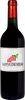
Winery RheingrafenhofMandeler Dellchen Blauer Spätburgunder Auslese
 wine
wine
This wine generally goes well with
The Mandeler Dellchen Blauer Spätburgunder Auslese of the Winery Rheingrafenhof is in the top 0 of wines of Nahe.
Details and technical informations about Winery Rheingrafenhof's Mandeler Dellchen Blauer Spätburgunder Auslese.
Discover the grape variety: Dan ben Hannah
A cross between the black mikveh (Hamburg muscatel x black balouti) and the Alphonse Lavallée obtained in 1951 and in Israel by Netanel Hochberg. Dan ben Hannah or black emperor - not to be confused with emperor - is mainly grown in South Africa.
Informations about the Winery Rheingrafenhof
The Winery Rheingrafenhof is one of of the world's great estates. It offers 14 wines for sale in the of Nahe to come and discover on site or to buy online.

The wine region of Nahe
Nahe is one of the smaller German wine regions, named after the Nahe river which joins the Rhein at Rheinhessen/bingen">Bingen. The viticultural carea here is characterised by dramatic topography with steep slopes and craggy outcrops of metamorphic rock. Like most of the regions on or near the Rhine, its most prestigious wines are made from Riesling. There are around 4,000 hectares (10,000 acres) of Vineyards, spread across seven Grosslagen (wine districts) and over 300 Einzellagen (individual vineyard sites).
The word of the wine: Muscat blanc à petits grains
A white grape variety cultivated since antiquity on the shores of the Mediterranean, it is considered the noblest of the muscats. It is mainly used to make sweet wines, often from mutage. In France, it is the sole variety used in many natural sweet wines: muscat-de-frontignan, muscat-de-mireval, muscat-de-lunel, muscat-de-saint-jean-de-minervois, muscat-de-beaumes-de-venise, muscat-du-cap-corse. Combined with Muscat d'Alexandrie, it gives Muscat-de-Rivesaltes. It is also used to make sparkling white wines (clairette-de-die; moscato d'asti and asti spumante in Italy) and dry wines (alsace-muscat). Powerfully aromatic and complex, its wines evoke fresh grapes, roses, exotic fruits, citrus fruits and spices.