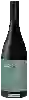
Winery RatioViognier - Chenin Blanc
 wine
wine
This wine generally goes well with
The Viognier - Chenin Blanc of the Winery Ratio is in the top 0 of wines of Eola-Amity Hills.
Details and technical informations about Winery Ratio's Viognier - Chenin Blanc.
Discover the grape variety: Fogoneu
This grape variety is native to the Balearic Islands (Spain), more precisely to the island of Mayorque, and has been cultivated for a very long time. It is believed to be the result of a natural cross between the escursac or excursach and the mansés (or mancès) de capdell. DNA analyses show that the Fogoneu Mallorqui is not related to any other variety and that the Fogoneu is a direct descendant of the Callet. It can be found in Argentina, Spain and Italy, but is little known in France, although it should be interesting for the production of original rosé wines that are always very pleasant to drink.
Informations about the Winery Ratio
The Winery Ratio is one of of the world's greatest estates. It offers 6 wines for sale in the of Eola-Amity Hills to come and discover on site or to buy online.

The wine region of Eola-Amity Hills
The wine region of Eola-Amity Hills is located in the region of Willamette Valley of Oregon of United States. Wineries and vineyards like the Domaine Evening Land or the Domaine Big Table Farm produce mainly wines red, white and pink. The most planted grape varieties in the region of Eola-Amity Hills are Pinot noir, Chardonnay and Riesling, they are then used in wines in blends or as a single variety. On the nose of Eola-Amity Hills often reveals types of flavors of cherry, pineapple or honeysuckle and sometimes also flavors of white peach, pear or apricot.
The wine region of Oregon
Oregon, located in the Pacific Northwest of the United States, is one of the youngest and most promising wine regions in the world. The state put itself on the international wine map in the late 1960s and has been building its position ever since. Production volumes have remained relatively quiet. The 2017 Oregon Vineyards and Wineries report recorded just under 34,000 acres (13,750 hectares) of planted vineyards.
The word of the wine: Attack
First impressions perceived after the wine is put in the mouth.