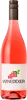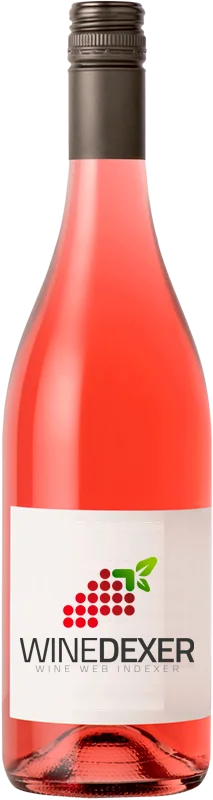
Winery ChrisohoouNouveau Xinomavro
 Pink wine


This wine generally goes well with

Wine flavors and olphactive analysis





On the nose the Nouveau Xinomavro of Winery Chrisohoou in the region of Macedonia often reveals types of flavors of non oak, oak or spices.
Discover the grape variety: Xinomavro
Structured, taut reds with a clear ruby robe that quickly evolves towards tawny, firm tannins and sharp high acidity (hence its name, xino-mavro = acid-black), with aromas of red cherry, sun-dried tomato, black olive, dried herbs, spice, leather and balsamic notes. Fine ageing potential, often compared to Nebbiolo. Absolute star of Naoussa PDO in Greek Macedonia, also Amyndeo PDO. Very late-ripening autochthonous Greek variety.
Last vintages of this wine
The best vintages of Nouveau Xinomavro from Winery Chrisohoou are 2016, 0
Informations about the Winery Chrisohoou
The Winery Chrisohoou is one of of the world's greatest estates. It offers 21 wines for sale in the of Imathia to come and discover on site or to buy online.

The wine region of Imathia
PGI of Central Macedonia around Vergina, at the foot of Mount Vermio (80–350 m). Mediterranean climate with continental influences. Xinomavro, the noble red signature, delivers notes of sun-dried tomato, black olive, morello cherry, herbs and minerals, with firm tannins and superb ageing potential. Also produced as a crisp rosé.
The wine region of Macedonia
Large wine region of northern Greece, 1st by volume, altitude vineyards tempered by mountain massifs. Signature Xinomavro ("acid black") as king grape: structured, complex reds with signature notes of tart cherry, dried tomato, black olive, Mediterranean herbs, leather and a mineral touch, firm tannins and long ageing — compared to Nebbiolo. Stars in PDO Naoussa, Amyndeon, Goumenissa and Rapsani. Also lively, mineral Assyrtiko, aromatic Malagousia as whites.
The word of the wine: Tanin
A natural compound contained in the skin of the grape, the seed or the woody part of the bunch, the stalk. The maceration of red wines allows the extraction of tannins, which give the texture, the solidity and also the mellowness when the tannins are "ripe". The winemaker seeks above all to extract the tannins from the skin, the ripest and most noble. The tannins of the seed or stalk, which are "greener", especially in average years, give the wine hardness and astringency. The wines of Bordeaux (based on Cabernet and Merlot) are full of tannins, those of Burgundy much less so, with Pinot Noir containing little.