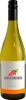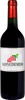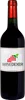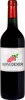
Winery Ragbag Wine WorksRed
 wine
wine
This wine generally goes well with
The Red of the Winery Ragbag Wine Works is in the top 0 of wines of Clear Lake.

Details and technical informations about Winery Ragbag Wine Works's Red.
Discover the grape variety: Juwel
Aromatic, fine whites with a pale golden robe and an airy palate, with signature aromas of white flowers, white-fleshed fruit (apple, pear) and delicate notes. Supple and accessible profile. Grown on small surfaces in Germany, remains very niche, used in blends or for dry whites. German white variety obtained at Geisenheim (riesling × pinot blanc), medium ripening.
Informations about the Winery Ragbag Wine Works
The Winery Ragbag Wine Works is one of of the world's greatest estates. It offers 3 wines for sale in the of Clear Lake to come and discover on site or to buy online.

The wine region of Clear Lake
AVA of Lake County (1984, North Coast California) around Clear Lake, California's largest freshwater lake: one of the coolest climates thanks to altitude and the moderating effect of the lake. Sauvignon Blanc is the signature with savoury and fruity notes with vibrant herbaceous character; Cabernet Sauvignon, Syrah and Zinfandel are concentrated and bright reds. Five nested sub-AVAs (High Valley, Red Hills, Big Valley, Kelsey Bench, Benmore Valley), distinctive bright and fresh profile.
The wine region of California
Powerful, sunny reds: dense Napa Cabernet Sauvignon (blackcurrant, chocolate, tobacco, ample tannins), spicy, jammy Zinfandel from the Sierra Foothills, silky red-fruited Pinot Noir on the cool coast (Sonoma, Russian River, Central Coast). Opulent, buttery Chardonnay, notes of yellow fruit and vanilla. Varied climate, from the hot interior to the Pacific-cooled coast. 80% of US production, 139 AVAs including Napa (1st AVA, 1981).
The word of the wine: Bâtonnage
A very old technique that has come back into fashion in modern oenology, which consists of shaking the white wine in the barrels at the end of fermentation, or after fermentation, with a stick or a flail, in order to suspend the fine lees composed of yeasts at the end of their activity. This process is sometimes used for red wines.