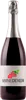
Winery Rafflin LepitreClassique Brut Champagne Premier Cru
 wine
wine
This wine generally goes well with
The Classique Brut Champagne Premier Cru of the Winery Rafflin Lepitre is in the top 0 of wines of Champagne Premier Cru.

Details and technical informations about Winery Rafflin Lepitre's Classique Brut Champagne Premier Cru.
Discover the grape variety: Trincadeira
Structured, deeply coloured reds with a dark ruby robe, firm tannins and a dense palate, with signature aromas of black fruits (blackberry, blackcurrant), cherry, spices, Mediterranean herbs and balsamic notes. Fine ageing potential, sunny Portuguese profile. Star of the great Alentejo DOC reds, present in Ribatejo and Douro DOC (as Tinta Amarela). Autochthonous Portuguese black variety, one of the most planted in Portugal.
Informations about the Winery Rafflin Lepitre
The Winery Rafflin Lepitre is one of of the world's greatest estates. It offers 14 wines for sale in the of Champagne Premier Cru to come and discover on site or to buy online.

The wine region of Champagne Premier Cru
High-end Champagnes from 44 villages rated 90-99% on the cru scale (1919), between Grand Cru and generic. Fine, elegant sparklers based on Chardonnay (citrus, brioche, chalk), Pinot Noir (red fruits, structure) and Pinot Meunier (fruity roundness). Fine bubbles, controlled dosage, complexity heightened by lees ageing. Villages in the Montagne de Reims, Côte des Blancs and around Épernay.
The wine region of Champagne
World benchmark sparkling wines: fine bubbles, citrusy tension, notes of brioche, toasted almond, white flowers and white-fleshed fruits after ageing on lees. Three grapes blended or solo: fleshy Pinot Noir (38%), fruity Meunier (33%), chiselled Chardonnay (28%). From straight Blanc de Blancs to vinous Blanc de Noirs, from non-vintage Brut to age-worthy Millésimé. AOC since 1927, 34,300 ha on chalk, 17 Grands Crus and 44 Premiers Crus.
The word of the wine: Courgée
Name of the fruiting branch left after pruning and which is then arched along the trellis in the Jura (in the Mâconnais, it is called the tail).