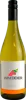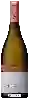
Winery Quinta da CapelaBranco
 wine
wine
This wine generally goes well with
The Branco of the Winery Quinta da Capela is in the top 0 of wines of Alentejo.

Details and technical informations about Winery Quinta da Capela's Branco.
Discover the grape variety: Ortrugo
Lively, structured dry whites with a pale golden robe, a lean palate and preserved acidity, with signature aromas of citrus (lemon), white flowers (acacia), almond and Emilian herbal notes. Also made as a taut, refreshing frizzante. Star of Colli Piacentini Ortrugo DOC, the aromatic signature of western Emilia around Piacenza. Native Italian white grape from Emilia-Romagna.
Last vintages of this wine



The best vintages of Branco from Winery Quinta da Capela are 2019, 0
Informations about the Winery Quinta da Capela
The Winery Quinta da Capela is one of of the world's greatest estates. It offers 4 wines for sale in the of Alentejo to come and discover on site or to buy online.

The wine region of Alentejo
Sun and generosity of southern Portugal, accessible, sun-soaked wines. Fleshy, round reds with signature notes of ripe black fruit (blackberry, plum), sweet spices, cocoa and balsamic notes, velvety tannins. Blends of Aragonez (Tempranillo), fleshy Trincadeira, colourful Alicante Bouschet and fragrant Touriga Nacional. Tropical Antão Vaz whites (peach, mango), lively Arinto.
The wine region of Alentejano
Star of southern Portugal's great reds, sunny and opulent wines. Typical blends: round fruity Aragonez (Tempranillo), spicy Trincadeira, Touriga Nacional (black fruits, violet), deep teinturier Alicante Bouschet, juicy Castelão. Fleshy reds with notes of plum, black cherry, cocoa and sweet spices, melted tannins. Ample fresh Antão Vaz and Arinto whites.
The word of the wine: Performance
Quantity of grapes harvested per hectare. In AOC, the average yield is limited on the proposal of the appellation syndicate, validated by the Inao. The use of high-performance plant material (especially clones) and better control of vine diseases have increased yields. This is not without consequences on the quality of the wines (dilution) and on the state of the market (too much wine). We must not over-simplify: low yields are not synonymous with quality, and it is often in years with generous harvests that we find the greatest vintages (1982 and 1986 in Bordeaux, 1996 in Champagne, 1990 and 2005 in Burgundy...).