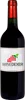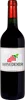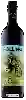
Winery QuiltyBlack Thimble Single Shiraz
 wine
wine
This wine generally goes well with
The Black Thimble Single Shiraz of the Winery Quilty is in the top 0 of wines of Central Ranges.

Details and technical informations about Winery Quilty's Black Thimble Single Shiraz.
Discover the grape variety: Autumn royal
Table grape with long bunches and elongated, seedless black-violet berries with thin skin and crunchy flesh, neutral sweet flavour. Late ripening, autumn harvest. Very rarely vinified. Grown in California, Australia, South Africa and Chile for export markets, prized for its attractive appearance and extended cold-storage life. An American seedless table grape variety developed in California in 1996.
Informations about the Winery Quilty
The Winery Quilty is one of of the world's greatest estates. It offers 5 wines for sale in the of Central Ranges to come and discover on site or to buy online.

The wine region of Central Ranges
New South Wales central-west zone grouping Mudgee, Orange and Cowra. Altitude-driven diversity. In Mudgee, sunny signature Shiraz with signature notes of blackberry, black cherry, plum, black pepper, chocolate and a spicy touch, round tannins. Firm Cabernet, supple Merlot.
The wine region of Nouvelle-Galles du Sud
Australia's 2nd wine state with diverse regions. Iconic Hunter Valley: a Sémillon unlike any other, straight, low-alcohol dry whites with vivid citrus when young, evolving over 10-20 years toward honey, toast and lanolin. Medium-bodied Hunter Shiraz, spicy and earthy (leather, red fruits). Also round Chardonnay and aromatic Verdelho.
The word of the wine: Oxidation
Alteration of the wine caused by prolonged contact with oxygen and resulting in a coppery colour with brown reflections and the appearance of typical aromas reminiscent of rancid nuts.