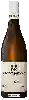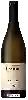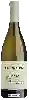
Winery QuantumSauvignon Blanc
 White wine


In the mouth this white wine is a with a nice freshness.
This wine generally goes well with vegetarian, shellfish or goat cheese.

Taste structure of the Sauvignon Blanc from the Winery Quantum
Light | Bold | |
Dry | Sweet | |
Soft | Acidic |
In the mouth the Sauvignon Blanc of Winery Quantum in the region of Western Cape is a with a nice freshness.
Food and wine pairings with Sauvignon Blanc
Pairings that work perfectly with Sauvignon Blanc


Original food and wine pairings with Sauvignon Blanc
The Sauvignon Blanc of Winery Quantum matches generally quite well with dishes of shellfish, vegetarian or goat cheese such as recipes of seafood and mushroom quiche, vegan leek and tofu quiche or bacon and goat cheese chicken wrap.
Details and technical informations about Winery Quantum's Sauvignon Blanc.
Discover the grape variety: Muscat of Alexandria
Intensely perfumed aromatic whites with a pale golden robe and an ample palate, showing powerful signature aromas of muscat, rose, white flowers (orange blossom), exotic fruits (lychee, mango), candied citrus and honeyed notes. Vinified mainly as sweet, passito and liqueur wines. The star of Moscato di Pantelleria DOC (Sicily), Málaga DO, Setúbal DOC. The English name for Muscat d'Alexandrie, a historic aromatic variety from the eastern Mediterranean.
Last vintages of this wine
The best vintages of Sauvignon Blanc from Winery Quantum are 2011, 0
Informations about the Winery Quantum
The Winery Quantum is one of of the world's greatest estates. It offers 6 wines for sale in the of Western Cape to come and discover on site or to buy online.

The wine region of Western Cape
Cradle of South African wine. Signature Chenin Blanc (Steen, 20%) in ample, fresh whites with notes of quince, yellow apple, honey and acacia flower, from crisp dry to sweet. Sharp, iodised Sauvignon Blanc (Walker Bay, Constantia), balanced Chardonnay. Reds: emblematic Pinotage with roasted aromas (coffee, plum, smoke), firm Cabernet Sauvignon, spicy Syrah.
The word of the wine: Drawing (liqueur de)
In champagne and sparkling wines of traditional method, addition to the wine, at the time of bottling (tirage) of sugars and yeasts dissolved in wine. These components will provoke the second fermentation in the bottle leading to the formation of carbon dioxide bubbles.