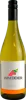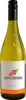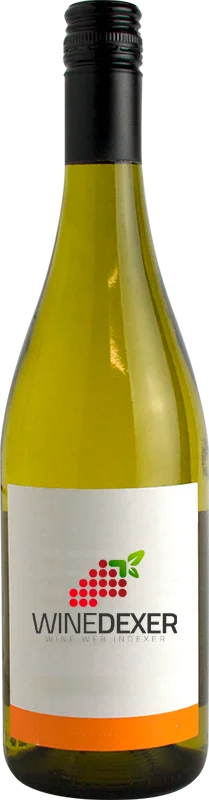
Winery Puzelat Bonhomme蔵 (Kura) Blanc
 White wine



This wine generally goes well with vegetarian, rich fish (salmon, tuna etc) or shellfish.

Food and wine pairings with 蔵 (Kura) Blanc
Pairings that work perfectly with 蔵 (Kura) Blanc



Original food and wine pairings with 蔵 (Kura) Blanc
The 蔵 (Kura) Blanc of Winery Puzelat Bonhomme matches generally quite well with dishes of rich fish (salmon, tuna etc), shellfish or vegetarian such as recipes of marinated raw salmon ('gravad lax' in swedish), lobster barbecue or quiche lorraine.
Details and technical informations about Winery Puzelat Bonhomme's 蔵 (Kura) Blanc.
Discover the grape variety: Mayolet
Light, fruity reds with a clear ruby hue, smooth tannins and an airy palate with fresh acidity; signature aromas of red fruits (cherry, raspberry), gentle spices and alpine floral notes. Elegant high-altitude style, best drunk young. Preserved for its heritage value, it produces artisan high-altitude cuvées in the Italian Alps. Native Italian black grape of the Aosta Valley, grown on sunny hillside terraces.
Last vintages of this wine
The best vintages of 蔵 (Kura) Blanc from Winery Puzelat Bonhomme are 2019, 2014, 2018, 2017 and 2015.
Informations about the Winery Puzelat Bonhomme
The Winery Puzelat Bonhomme is one of of the world's great estates. It offers 54 wines for sale in the of Vin de France to come and discover on site or to buy online.

The wine region of Vin de France
The freest category of French wine, the playground of winemakers working outside the AOC. All styles combined: fruity reds, lively or ambitious whites, everyday rosés, unusual blends, natural wines, atypical grapes (Petit Manseng in Languedoc, Riesling in Provence), experimental winemaking (skin-contact whites, no sulphur). Grape and vintage labelling allowed, no geographic constraint. From the pop, convivial cuvée to the artisan gem: freedom in a bottle.
The word of the wine: Fruity
A wine whose nose is first characterized by aromas reminiscent of the world of fruit. A wine to be drunk young is essentially fruity, but all wines offer this type of aroma in the first place, which can evolve over time, from the scent of fresh fruit to cooked, stewed, candied or brandied fruit.