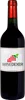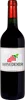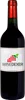
Winery ProshyanArcruni Mosh
 Sweet wine



This wine generally goes well with
The Arcruni Mosh of the Winery Proshyan is in the top 20 of wines of Ararat.
Details and technical informations about Winery Proshyan's Arcruni Mosh.
Discover the grape variety: Roi des noirs
Interspecific crossing between 29 Seibel (70 jeager x Vitis Vinifera unknown) and the danugue made by Eugène Contassot, who would have given the seeds of the harvested grapes to Albert Seibel (1844-1936). The King of the Blacks has been widely cultivated, particularly in southwestern France and in the center-west, where we have found and photographed it. It was used several times as a sire by Albert Seibel, rubilande or 11803 Seibel is a good example.
Last vintages of this wine
The best vintages of Arcruni Mosh from Winery Proshyan are 2017, 0
Informations about the Winery Proshyan
The Winery Proshyan is one of of the world's greatest estates. It offers 37 wines for sale in the of Ararat to come and discover on site or to buy online.

The wine region of Ararat
Armenian valley between Mount Ararat and the Araxes river, vineyards at 1,000–1,600 m on volcanic soils (basalt, tuff, pumice), one of the world's oldest winemaking sites (Areni cave, 6,100 years old). Areni Noir is the signature native red: elegant and silky with red cherry, raspberry, faded rose, spices and volcanic mineral notes, fine tannins — often compared to Pinot Noir. Voskehat textured and Kangun fresh in whites. Quality renaissance since 2000.
The word of the wine: Film
Skin of the grape containing the colouring matter of red wines (anthocyanins), the most noble tannins and the essential aromatic substances.