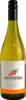
Winery Poderi del ToderoProsecco Treviso Extra Dry
 wine
wine
This wine generally goes well with
The Prosecco Treviso Extra Dry of the Winery Poderi del Todero is in the top 0 of wines of Prosecco di Treviso.

Details and technical informations about Winery Poderi del Todero's Prosecco Treviso Extra Dry.
Discover the grape variety: Kernling
Aromatic, structured whites and pale rosés with a pinkish-skinned robe, a supple palate with preserved acidity. Signature muscat-style aromas, white flowers and yellow fruits inherited from the Kerner. Productive and early ripening. Grown on small surfaces in Germany (Württemberg) in blended white and rosé cuvées. A grey German variety, a reddish-skinned mutation of the Kerner, obtained at Weinsberg.
Informations about the Winery Poderi del Todero
The Winery Poderi del Todero is one of of the world's greatest estates. It offers 8 wines for sale in the of Prosecco di Treviso to come and discover on site or to buy online.

The wine region of Prosecco di Treviso
Historic heart of Venetian Prosecco (DOC, Treviso sub-zone): signature Glera as sparkling king white — fresh and accessible with notes of green apple, Williams pear, white flowers, citrus and an almond-hazelnut touch, fine persistent bubbles, light finish. Charmat method (tank), Brut, Extra Dry and Dry styles by residual sugar. Very pale straw hue, ideal aperitif and seafood (scallops, langoustines). Treviso province in Veneto, temperate pre-Alpine climate.
The wine region of Veneto
World star of Prosecco: fresh, light Glera sparklers with notes of pear, green apple and white flowers, fruity, convivial bubbles. Veronese reds from Corvina and Rondinella: light, crisp Bardolino, fruity Valpolicella, opulent, concentrated Amarone DOCG (black cherry, chocolate, raisin) from dried grapes. Mineral, almondy Soave (Garganega) whites, fresh Pinot Grigio. 97,500 ha, Italy's largest production.
The word of the wine: Muscat blanc à petits grains
A white grape variety cultivated since antiquity on the shores of the Mediterranean, it is considered the noblest of the muscats. It is mainly used to make sweet wines, often from mutage. In France, it is the sole variety used in many natural sweet wines: muscat-de-frontignan, muscat-de-mireval, muscat-de-lunel, muscat-de-saint-jean-de-minervois, muscat-de-beaumes-de-venise, muscat-du-cap-corse. Combined with Muscat d'Alexandrie, it gives Muscat-de-Rivesaltes. It is also used to make sparkling white wines (clairette-de-die; moscato d'asti and asti spumante in Italy) and dry wines (alsace-muscat). Powerfully aromatic and complex, its wines evoke fresh grapes, roses, exotic fruits, citrus fruits and spices.