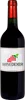
Winery PlantahofBlauburgunder
 White wine



This wine generally goes well with

Details and technical informations about Winery Plantahof's Blauburgunder.
Discover the grape variety: Malvasia di Sardegna
Structured and oxidative whites with fine ageing potential, amber in colour, an ample palate with fresh acidity, and signature aromas of roasted almonds, dried fruits (walnut, fig), candied citrus and rancio notes. Also as sweet passito liquoreux. Star of the Malvasia di Bosa DOC, expressing itself in complex sweet island wines and Sardinian passito. Malvasia variety grown in Sardinia, notably in Bosa and Cagliari.
Last vintages of this wine
The best vintages of Blauburgunder from Winery Plantahof are 0
Informations about the Winery Plantahof
The Winery Plantahof is one of of the world's greatest estates. It offers 10 wines for sale in the of Bundner Herrschaft to come and discover on site or to buy online.

The wine region of Bundner Herrschaft
Most prestigious alpine region of Graubunden, Switzerland (Flasch, Maienfeld, Jenins, Malans), Rhine valley warmed by foehn, schist-limestone soils. Pinot Noir (Blauburgunder) signature red (brought from Burgundy in the 17th century): concentrated and silky with notes of cherry, raspberry, wild strawberry, undergrowth and alpine spices, fine tannins — Helvetic Burgundian model and multiple world champion. Ample Chardonnay and rare indigenous Completer in whites. Setting of the Heidi fairy tale.
The wine region of Graubünden
Wine canton of eastern German-speaking Switzerland (Grisons), 423 ha at the heart of the Bündner Herrschaft (Fläsch, Maienfeld, Malans, Jenins). Signature Pinot Noir (Blauburgunder, >70%): reds among the noblest in Switzerland, fine and silky with notes of cherry, raspberry, undergrowth, sweet spices and a limestone mineral touch, delicate tannins - compared to the great Burgundies. Schistous limestone soils, a climate tempered by the foehn (warmest area of German-speaking Switzerland).
The word of the wine: Astringency
Chemical stimulation that tightens the mucous membranes of the mouth and causes a sensation of harshness, which is characteristic of the presence of tannins. With time, the tannins lose their harshness and become softer.