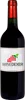
Winery Pistis SophiaPágos
 wine
wine
This wine generally goes well with
The Págos of the Winery Pistis Sophia is in the top 0 of wines of Ortona.

Details and technical informations about Winery Pistis Sophia's Págos.
Discover the grape variety: Chatus
Structured, colourful reds with a dark, intense ruby color, firm tannins and a dense palate, offering intense aromas of black fruits (blackberry, blackcurrant), plum, black cherry, spices, pepper and balsamic notes. Fine cellaring potential, rustic profile. Nearly extinct after phylloxera, undergoing an identity revival among Ardèche winemakers in IGP Cévennes and IGP Ardèche. French indigenous variety from the Cévennes Ardéchoises, a pre-phylloxera heritage witness.
Informations about the Winery Pistis Sophia
The Winery Pistis Sophia is one of of the world's greatest estates. It offers 6 wines for sale in the of Ortona to come and discover on site or to buy online.

The wine region of Ortona
Abruzzese DOC (municipality of Ortona, Chieti province, hills descending to the Adriatic beneath the Maiella), well-drained and ventilated clay-limestone soils. Montepulciano (≥95%) is the signature red: full-bodied and sunny with dark cherry, blackberry, plum, spices and a balsamic-Mediterranean finish, rounded tannins. Trebbiano Abruzzese and Toscano (≥70%) in lively, fruity whites with white flowers, citrus and a saline note. Also Trabocco Spumante d'Abruzzo.
The wine region of Abruzzo
Accessible, identity-driven Italian duo. Montepulciano d'Abruzzo as red: deep colour, intense aromas of black cherry, ripe plum, sweet spices and balsamic notes, round tannins and a gourmet finish, from everyday to age-worthy Riserva. Cerasuolo d'Abruzzo DOCG as a fleshy, fruity rosé (strawberry, pomegranate). Trebbiano d'Abruzzo as a straight white with citrus and white flowers, sublimated by a few cult producers (Valentini).
The word of the wine: Sulphur
An antiseptic and antioxidant substance known since antiquity, probably already used by the Romans. But it was only in modern times that its use was rediscovered. It will allow a better conservation of the wine and thus favour its export. Sulphur also gave the 18th century winegrower the possibility of extending the maceration period without fearing that the wine would turn sour and thus go from dark rosé wines to the red wines of today. Excessive sulphur, on the other hand, kills happiness, paralysing the aromas and causing headaches.