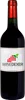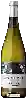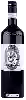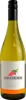
Winery Pietro E FiglioPoderi Mari Roero
 wine
wine
This wine generally goes well with
The Poderi Mari Roero of the Winery Pietro E Figlio is in the top 0 of wines of Roero.

Details and technical informations about Winery Pietro E Figlio's Poderi Mari Roero.
Discover the grape variety: Tinta Cão
Structured and elegant reds for ageing, with a deep ruby colour, firm tannins, an ample palate with preserved acidity, and signature aromas of red and black fruits (cherry, blackberry), spices, flowers (violet) and refined floral notes. Very late-ripening and low-yielding but high-quality. An essential component of the great Porto Vintage DOC and Douro DOC for ageing, one of the five classic Port varieties, with a strong aromatic identity. Native Portuguese black variety from the Douro.
Informations about the Winery Pietro E Figlio
The Winery Pietro E Figlio is one of of the world's greatest estates. It offers 2 wines for sale in the of Roero to come and discover on site or to buy online.

The wine region of Roero
Piedmontese DOCG facing the Langhe on the left bank of the Tanaro, with a dual identity. Signature Arneis ("little mischievous one") as the star white: aromatic and fresh with signature notes of ripe pear, white flowers, fresh almond, citrus and a mineral touch, a round palate taut with fine acidity. Roero DOCG reds from Nebbiolo (95% min. ): elegant with notes of rose, cherry, tar and spice, tannins more silky and accessible than Barolo.
The wine region of Piedmont
Kingdom of Nebbiolo: Barolo and Barbaresco DOCG, long-ageing reds with firm tannins and lively acidity, complex aromas of withered rose, sour cherry, tar, truffle and undergrowth. More accessible, tangy Barbera on red fruit, supple, crisp Dolcetto. Sweet, floral sparkling Moscato d'Asti, mineral, lemony Gavi (Cortese) white, round, almondy Arneis from Roero. 50,000 ha across the Langhe, Roero and Monferrato, UNESCO.
The word of the wine: Rafle (taste of)
A taste considered a defect, characterized by an unpleasant astringency and bitterness, brought by the stalk during the vinification process. In order to avoid it, destemming before vinification is a common practice.