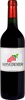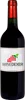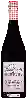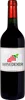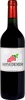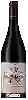
Winery Pierre DupondÂme de Granit Régnié
 Red wine
This wine generally goes well with pork, poultry or veal.

Food and wine pairings with Âme de Granit Régnié
Pairings that work perfectly with Âme de Granit Régnié



Original food and wine pairings with Âme de Granit Régnié

The Âme de Granit Régnié of Winery Pierre Dupond matches generally quite well with dishes of pasta, veal or pork such as recipes of gratin of coquillettes with ham, milanese cutlets like in italy or turkey roulades, flavoured sauce.
Details and technical informations about Winery Pierre Dupond's Âme de Granit Régnié.
Discover the grape variety: Gamay noir
Light, juicy reds, low in tannins with crunchy freshness, showing aromas of wild strawberry, raspberry, banana (from carbonic maceration) and peony. Easy-drinking style of Beaujolais Nouveau, more structured and mineral on the granites of the ten crus (Morgon, Moulin-à-Vent, Fleurie, Brouilly). Also in Touraine, Auvergne and Swiss Romande. A Burgundian variety, a cross of Pinot Noir × Gouais Blanc.
Informations about the Winery Pierre Dupond
The Winery Pierre Dupond is one of wineries to follow in Régnié.. It offers 100 wines for sale in the of Régnié to come and discover on site or to buy online.

The wine region of Régnié
Youngest of the ten Beaujolais crus (AOC 1988), ~400 ha on the commune of Régnié-Durette, pink granitic sandy-pebbly arenas. Single Gamay vinified by semi-carbonic maceration. Signature fruity, silky reds with notes of redcurrant, raspberry, red cherry, wild strawberry, violet, peony and spice, fine tannins and airy palate — floral finesse, one of the most accessible crus. Drink young and fresh with poultry or charcuterie.
The wine region of Beaujolais
Kingdom of Gamay (98% of the vineyard): fruity, accessible reds with signature notes of cherry, raspberry, banana (carbonic maceration), violet and sweet spices, supple tannins and juicy acidity. From festive Beaujolais Nouveau (3rd Thursday of November) to the 10 more structured, age-worthy Crus: deep earthy Morgon, sturdy Moulin-à-Vent, floral Fleurie, crunchy Brouilly. Some lively Chardonnay. 12,000 ha south of Burgundy, granitic soils.
The word of the wine: White winemaking
White wines are obtained by fermentation of the juice after pressing. A pre-fermentation maceration is sometimes practiced to extract the aromatic substances from the skins. White wines are normally made from white grapes, but can also be made from red grapes (blanc de noirs). The grapes are then pressed as soon as they arrive at the vat house without maceration in order to prevent the colouring matter contained in the skins from "staining" the wine.