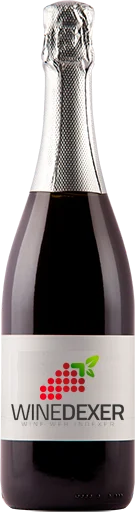
Winery PeccheninoTenore Metodo Classico Brut Zero
 Sparkling wine


This wine generally goes well with pork, mild and soft cheese or mushrooms.

Food and wine pairings with Tenore Metodo Classico Brut Zero
Pairings that work perfectly with Tenore Metodo Classico Brut Zero


Original food and wine pairings with Tenore Metodo Classico Brut Zero
The Tenore Metodo Classico Brut Zero of Winery Pecchenino matches generally quite well with dishes of pork, mushrooms or mild and soft cheese such as recipes of wild boar stew, veal kidneys with mushrooms and port or homemade burger.
Details and technical informations about Winery Pecchenino's Tenore Metodo Classico Brut Zero.
Discover the grape variety: Chambourcin
Richly coloured and fruity reds with a purple colour and supple tannins, on aromas of black cherry, blackberry, blackcurrant, spices and herbal notes. Round palate, fresh finish, best drunk young. A disease-resistant hybrid, it produces organic and sustainable reds in the Loire Valley (IGP Atlantique, IGP Val de Loire), the United States (Pennsylvania, Missouri, Virginia) and Australia (New South Wales). French hybrid created in 1963 by Joannès Seyve.
Last vintages of this wine

The best vintages of Tenore Metodo Classico Brut Zero from Winery Pecchenino are 0, 2014
Informations about the Winery Pecchenino
The Winery Pecchenino is one of of the world's great estates. It offers 19 wines for sale in the of Dogliani to come and discover on site or to buy online.

The wine region of Dogliani
DOCG of the Piedmontese Langhe south of Cuneo, ~540 ha of clay-limestone hills 250-750 m. Historic cradle and finest expression of Dolcetto, 100% single varietal. Signature dry reds with deep robe and notes of black mulberry, cherry, plum, blueberry, bitter almond, violet and herbs, supple tannins and low acidity — bursting fruit and round palate. Nicknamed "little sweet" not for sugar but for ripe grape.
The wine region of Piedmont
Kingdom of Nebbiolo: Barolo and Barbaresco DOCG, long-ageing reds with firm tannins and lively acidity, complex aromas of withered rose, sour cherry, tar, truffle and undergrowth. More accessible, tangy Barbera on red fruit, supple, crisp Dolcetto. Sweet, floral sparkling Moscato d'Asti, mineral, lemony Gavi (Cortese) white, round, almondy Arneis from Roero. 50,000 ha across the Langhe, Roero and Monferrato, UNESCO.
The word of the wine: Oxidative (breeding)
A method of ageing which aims to give the wine certain aromas of evolution (dried fruit, bitter orange, coffee, rancio, etc.) by exposing it to the air; it is then matured either in barrels, demi-muids or unoaked casks, sometimes stored in the open air, or in barrels exposed to the sun and to temperature variations. This type of maturation characterizes certain natural sweet wines, ports and other liqueur wines.