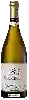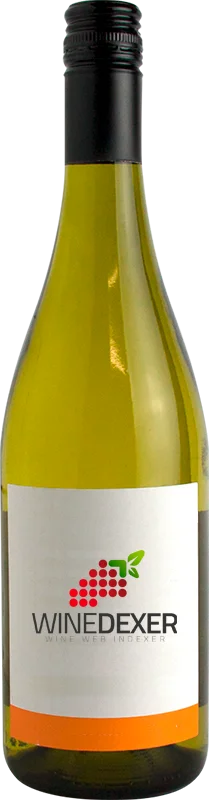
Winery Patrick ClémencetCuvée Régina Chamonix Mont Blanc
 White wine
This wine generally goes well with

Details and technical informations about Winery Patrick Clémencet's Cuvée Régina Chamonix Mont Blanc.
Discover the grape variety: Mara
Light, fruity reds with a clear ruby robe, smooth tannins and a supple palate of simple red fruits (raspberry, strawberry, cherry), gentle spices and floral notes. A thirst-quenching profile to drink young. Once grown in the South-West, now nearly extinct, preserved in INRAE varietal collections for its genetic value. A rare French grape, witness to the pre-phylloxera ampelographic diversity of the South-West.
Informations about the Winery Patrick Clémencet
The Winery Patrick Clémencet is one of wineries to follow in Beaune.. It offers 71 wines for sale in the of Beaune to come and discover on site or to buy online.

The wine region of Beaune
Historical capital of Burgundy wines and largest communal appellation of the Côte de Beaune: signature Pinot Noir as king red (~85%) — ruby robe with notes of cherry, raspberry, redcurrant, violet, peony and a spicy touch, fine tannins and harmonious structure, perfumed finish. Fresh mineral Chardonnay as complement (citrus, white flowers, almond). 42 Premier Cru climats (Grèves, Clos des Mouches, Bressandes). AOC (1936), ~410 ha, marl-limestone on the western hill.
The wine region of Burgundy
Absolute reference for great terroir wines: opulent, mineral Chardonnay in whites (chiselled Chablis, buttery Meursault, majestic Montrachet), fine and silky Pinot Noir in reds (full-bodied Gevrey, structured Pommard, delicate Volnay). Exceptional age-worthy wines with complex notes - red fruits, undergrowth, butter, hazelnut. Some lively Aligoté and light Gamay (Mâconnais). 29,500 ha, 84 tiered AOCs (Régionale, Village, 1er Cru, Grand Cru), 1,247 UNESCO Climats.
The word of the wine: Chaptalization
The addition of sugar at the time of fermentation of the must, an ancient practice, but theorized by Jean-Antoine Chaptal at the dawn of the 19th century. The sugar is transformed into alcohol and allows the natural degree of the wine to be raised in a weak or cold year, or - more questionably - when the winegrower has a harvest that is too large to obtain good maturity.