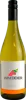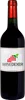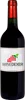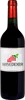
Winery OrshimoАхашени (Akhasheni)
 wine
wine
This wine generally goes well with
The Ахашени (Akhasheni) of the Winery Orshimo is in the top 0 of wines of Akhasheni.

Details and technical informations about Winery Orshimo's Ахашени (Akhasheni).
Discover the grape variety: Grasevina
Crisp, aromatic dry whites with a pale golden colour, soft texture and preserved acidity, showing signature aromas of white flowers (acacia), citrus (lemon), almond and white-fleshed fruits. Also made as fresh sparkling wines and round botrytised dessert wines. The backbone of Croatian and Balkan white wine, it is the Croatian name for Welschriesling, unrelated to German Riesling.
Informations about the Winery Orshimo
The Winery Orshimo is one of of the world's greatest estates. It offers 8 wines for sale in the of Akhasheni to come and discover on site or to buy online.

The wine region of Akhasheni
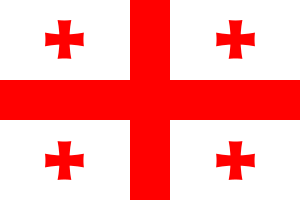
Georgian appellation of the Gurjaani district in Kakheti (east of the country, distinguished since 1958), vinified in a signature semi-sweet style from exclusive Saperavi (3-5% residual sugar). Deep garnet-red with velvety texture: opulent and jammy with notes of ripe plum, blackberry, black cherry, chocolate, cocoa, and a balsamic spice touch — sweetness balanced by Saperavi's natural acidity. A historic expression of the Alazani Valley, ideal with chocolate desserts.
The wine region of Kakheti
Cradle of amber and orange wines, vinified in qvevri (buried clay jars, UNESCO). Skin-macerated Rkatsiteli whites: signature notes of dried apricot, walnut, honey, orange peel and black tea, fine tannins and controlled oxidation. Deep, tinctorial Saperavi reds with black fruit, plum, spice and firm tannins, age-worthy. Also Mtsvane and Kisi in white, fresh and floral.
The word of the wine: Performance
Quantity of grapes harvested per hectare. In AOC, the average yield is limited on the proposal of the appellation syndicate, validated by the Inao. The use of high-performance plant material (especially clones) and better control of vine diseases have increased yields. This is not without consequences on the quality of the wines (dilution) and on the state of the market (too much wine). We must not over-simplify: low yields are not synonymous with quality, and it is often in years with generous harvests that we find the greatest vintages (1982 and 1986 in Bordeaux, 1996 in Champagne, 1990 and 2005 in Burgundy...).