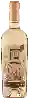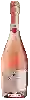
Winery Porta VitaRosato
 Pink wine



This wine generally goes well with
The Rosato of the Winery Porta Vita is in the top 10 of wines of delle Venezie.

Wine flavors and olphactive analysis

On the nose the Rosato of Winery Porta Vita in the region of Veneto often reveals types of flavors of tree fruit, red fruit.
Details and technical informations about Winery Porta Vita's Rosato.
Discover the grape variety: Penouille
Light, simple fruity reds with a pale, lightly coloured ruby, soft tannins and an airy palate with moderate acidity, undemonstrative red fruit aromas. Rustic, discreet profile. Almost extinct, preserved in INRAE varietal collections for its heritage value, testament to the pre-phylloxera ampelographic diversity of the South-West and studied among heritage varieties. Rare French black variety, once grown in the South-West.
Last vintages of this wine
The best vintages of Rosato from Winery Porta Vita are 2016, 2013, 2011, 2018 and 0.
Informations about the Winery Porta Vita
The Winery Porta Vita is one of of the world's greatest estates. It offers 4 wines for sale in the of delle Venezie to come and discover on site or to buy online.

The wine region of delle Venezie
Kingdom of Italian Pinot Grigio: lively, accessible whites with signature notes of green apple, pear, citrus and white flowers, fresh dry finish. Easy, juicy style, perfect as an aperitif. Covers Friuli-Venezia Giulia, Veneto and Trentino: ~85% of Italian Pinot Grigio production over 26,500 ha. Some more structured cuvées as Ramato (short maceration on pinkish skins).
The wine region of Veneto
World star of Prosecco: fresh, light Glera sparklers with notes of pear, green apple and white flowers, fruity, convivial bubbles. Veronese reds from Corvina and Rondinella: light, crisp Bardolino, fruity Valpolicella, opulent, concentrated Amarone DOCG (black cherry, chocolate, raisin) from dried grapes. Mineral, almondy Soave (Garganega) whites, fresh Pinot Grigio. 97,500 ha, Italy's largest production.
The word of the wine: Stirring
In the traditional method, the operation aims to bring the deposits against the cork by the movement of the bottles placed on desks. The stirring can be manual or mechanical (using gyropalettes).