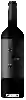
Winery O. FournierAcrux Tinto
 wine
wine
This wine generally goes well with
The Acrux Tinto of the Winery O. Fournier is in the top 0 of wines of Uco Valley.
Details and technical informations about Winery O. Fournier's Acrux Tinto.
Discover the grape variety: Calabre blanc
This is a very old grape variety, most certainly of Italian origin, not to be confused with other grape varieties with the name or synonym Calabria. Writings sometimes mention a white calabre resulting from an intraspecific crossing between bicane and muscat à petits grains blancs, although we are not sure that it is the same variety described here. You will note below that the leaf is very similar to that of the muscat à petits grains, to be continued. It can still be found in Italy, Hungary, Romania, Czech Republic, Germany, Ukraine, ... in France it is almost unknown.
Informations about the Winery O. Fournier
The Winery O. Fournier is one of of the world's great estates. It offers 45 wines for sale in the of Uco Valley to come and discover on site or to buy online.

The wine region of Uco Valley
The Uco Valley (Valle de Uco) is a key winegrowing region of Mendoza, Argentina. An hour's drive South from the city of Mendoza, it is home to some of the region's most famous wines. Argentina's primary Grape variety of Malbec shines here, producing terroir-driven red wines with a distinctive Floral">floralAroma. Cabernet Franc is much less widely planted, but some great results have been achieved.
The wine region of Mendoza
Mendoza is by far the largest wine region in Argentina. Located on a high-altitude plateau at the edge of the Andes Mountains, the province is responsible for roughly 70 percent of the country's annual wine production. The French Grape variety Malbec has its New World home in the vineyards of Mendoza, producing red wines of great concentration and intensity. The province Lies on the western edge of Argentina, across the Andes Mountains from Chile.
The word of the wine: Hat
Solid part (marc), composed of pips and skins (sometimes of the stalk), which forms at the top of the tank during fermentation. The pigeage consists in breaking this cap to put back in suspension these elements and to favour the exchanges between the juice and the skins.