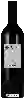
Winery Neiman CellarsChardonnay
 wine
wine
This wine generally goes well with
The Chardonnay of the Winery Neiman Cellars is in the top 0 of wines of Napa Valley.

Details and technical informations about Winery Neiman Cellars's Chardonnay.
Discover the grape variety: Aglianico
Powerful, tannic reds with deep colour and tight structure, with aromas of black cherry, blackberry, leather, tobacco, coffee and balsamic-volcanic mineral notes. High acidity and very fine ageing potential, often compared to nebbiolo. Star of Taurasi DOCG in Campania and Aglianico del Vulture DOCG in Basilicata (vines planted on volcanic soils). Late-ripening southern Italian variety of probable ancient Greek origin.
Informations about the Winery Neiman Cellars
The Winery Neiman Cellars is one of of the world's greatest estates. It offers 5 wines for sale in the of Napa Valley to come and discover on site or to buy online.

The wine region of Napa Valley
Absolute reference for American Cabernet Sauvignon: powerful, opulent reds with ripe aromas of blackcurrant, blackberry, chocolate and cedar, velvety tannins and a silky finish, long ageing. Also round Merlot, rich buttery Chardonnay, fruity Sauvignon Blanc, spicy Zinfandel. Narrow Californian valley between the Mayacamas and Vaca Mountains, tempered by San Pablo Bay fog, 17 sub-AVAs (Oakville, Rutherford, Stags Leap, Howell Mountain). Cradle of icons Opus One, Screaming Eagle, Caymus.
The wine region of California
Powerful, sunny reds: dense Napa Cabernet Sauvignon (blackcurrant, chocolate, tobacco, ample tannins), spicy, jammy Zinfandel from the Sierra Foothills, silky red-fruited Pinot Noir on the cool coast (Sonoma, Russian River, Central Coast). Opulent, buttery Chardonnay, notes of yellow fruit and vanilla. Varied climate, from the hot interior to the Pacific-cooled coast. 80% of US production, 139 AVAs including Napa (1st AVA, 1981).
The word of the wine: Draft liquor (champagne)
After blending, the wine is bottled with a liqueur de tirage (a mixture of sugar and wine) and a yeast (selected yeasts). The yeast attacks the sugar and creates carbon dioxide. The fermentation, which lasts about two months, is prolonged by an ageing period (15 months minimum in total). The bottle is capped (some rare vintages are capped with a staple and a cork).