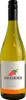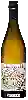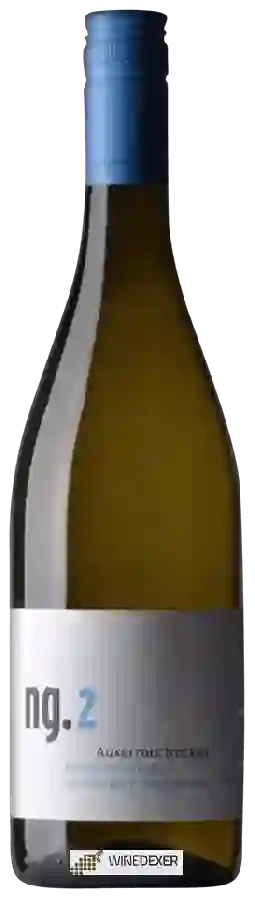
Winery Nauerth-GnägyNg. 2 Auxerrois Trocken
 White wine



This wine generally goes well with

Details and technical informations about Winery Nauerth-Gnägy's Ng. 2 Auxerrois Trocken.
Discover the grape variety: Auxerrois
Rich, round whites with tender mouth and moderate acidity, featuring aromas of ripe yellow fruits, white flowers, subtle honey, fresh almond and brioche notes. Often blended with Pinot Blanc in Alsace (cuvées labelled "Pinot Blanc" often contain a good proportion) and a pillar of Crémant d'Alsace. Also in French and Luxembourgish Moselle, Côtes-de-Toul and Baden. Lorraine grape, a Pinot Noir × Gouais Blanc cross, half-sibling of Chardonnay.
Last vintages of this wine
The best vintages of Ng. 2 Auxerrois Trocken from Winery Nauerth-Gnägy are 0
Informations about the Winery Nauerth-Gnägy
The Winery Nauerth-Gnägy is one of of the world's great estates. It offers 46 wines for sale in the of Pfalz to come and discover on site or to buy online.

The wine region of Pfalz
Fleshy, dry, fruity Riesling is the region's signature: yellow peach, apricot, ripe citrus, lovely mineral tension. Germany's largest red-wine area (40%), with silky Spätburgunder showing red fruit and spice, darker structured Dornfelder, supple Portugieser. Some rounded Pinot Blanc and Pinot Gris. A 23,640 ha vineyard along the Haardt, among Germany's warmest (>2,000 h of sun).
The word of the wine: Marie-jeanne (or double magnum)
Bottle with a capacity of 3 litres.