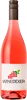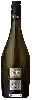
Winery Moulin de PillonCôtes de Gascogne Blanc
 White wine



This wine generally goes well with

Wine flavors and olphactive analysis



On the nose the Côtes de Gascogne Blanc of Winery Moulin de Pillon in the region of Comté Tolosan often reveals types of flavors of grapefruit, citrus or apples and sometimes also flavors of green apple, apricot or tree fruit.
Details and technical informations about Winery Moulin de Pillon's Côtes de Gascogne Blanc.
Discover the grape variety: Albillo mayor
Structured, fat dry whites with a pale golden robe, an ample palate and preserved acidity of refined yellow fruits (pear, peach, apricot), candied citrus, white flowers, fennel and calcareous mineral notes. Fine lees-ageing potential. Emerging star of Ribera del Duero DO whites (officially approved in 2019) on the Castilian high plateaus. Native Spanish grape of the upper Douro valley, descendant of hebén, in full qualitative revival.
Last vintages of this wine
The best vintages of Côtes de Gascogne Blanc from Winery Moulin de Pillon are 2016
Informations about the Winery Moulin de Pillon
The Winery Moulin de Pillon is one of of the world's greatest estates. It offers 2 wines for sale in the of Côtes de Gascogne to come and discover on site or to buy online.

The wine region of Côtes de Gascogne
Reference for accessible dry whites of the South-West: signature Colombard as white king — lively and aromatic with notes of lemon, grapefruit, mango, passion fruit, white flowers and a touch of green citrus, brisk acidity and moderate alcohol (9-11%) — a gourmet aperitif. Straight Ugni Blanc in the blend, more floral Sauvignon and rounder Gros Manseng as complements. A few honeyed sweet wines. Vast Gers IGP (Armagnac), oceanic climate, clay-limestone soils.
The wine region of Comté Tolosan
IGP covering all of southwest France across 12 departments, a broad and accessible palette. On the Garonne right bank, supple reds dominate: signature Merlot with signature notes of plum, ripe cherry, cocoa and a herbaceous touch, round tannins. Firm Cabernet, spicy Syrah, tannic local Tannat. Left bank for whites: vivid Colombard and Gros Manseng (citrus, grapefruit, exotic fruits), aromatic Sauvignon.
The word of the wine: Decanter
1) Glass container with a narrow neck used to aerate or decant the wine. 2) Decanter wines: wines that are drunk young and that were once drawn directly from the barrel. For example, some Muscadets or Beaujolais.