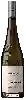
Winery Miguel AngeloVinho Verde Branco
 Red wine


This wine generally goes well with vegetarian, appetizers and snacks or shellfish.
Food and wine pairings with Vinho Verde Branco
Pairings that work perfectly with Vinho Verde Branco



Original food and wine pairings with Vinho Verde Branco
The Vinho Verde Branco of Winery Miguel Angelo matches generally quite well with dishes of shellfish, vegetarian or appetizers and snacks such as recipes of rougaille tomatoes (madagascar), tuna, pepper and tomato quiche or fresh vegetable dips and their sauces for the aperitif.
Details and technical informations about Winery Miguel Angelo's Vinho Verde Branco.
Discover the grape variety: Ferradou
Ferradou noir is a grape variety that originated in . It produces a variety of grape specially used for wine making. It is rare to find this grape to eat on our tables. Ferradou noir can be found in the vineyards of the South West.
Last vintages of this wine
The best vintages of Vinho Verde Branco from Winery Miguel Angelo are 0
Informations about the Winery Miguel Angelo
The Winery Miguel Angelo is one of of the world's greatest estates. It offers 2 wines for sale in the of Vinho Verde to come and discover on site or to buy online.

The wine region of Vinho Verde
The wine region of Vinho Verde is located in the region of Minho of Portugal. We currently count 535 estates and châteaux in the of Vinho Verde, producing 1615 different wines in conventional, organic and biodynamic agriculture. The wines of Vinho Verde go well with generally quite well with dishes .
The wine region of Minho
Minho is Portugal's Northernmost wine region. It is known for one wine style above all others: crisp, light, white Vinho Verde, whose DOC zone covers the same territory. The Minho name is used for the area's Vinho Regional designation (similar to the French IGP). The latter's looser production laws allow more diversity in the average winery's portfolio, including red and rosé wines.
The word of the wine: Carbonic maceration
Fermentation of whole grapes in a carbon dioxide-saturated atmosphere. This type of fermentation produces very aromatic and flattering wines.