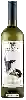
Winery MichaelidiKlidi Assyrtiko
 wine
wine
This wine generally goes well with
The Klidi Assyrtiko of the Winery Michaelidi is in the top 0 of wines of Drama.

Details and technical informations about Winery Michaelidi's Klidi Assyrtiko.
Discover the grape variety: Petit ribier
Simple, fruity reds to drink young, with a clear ruby robe, soft tannins and an airy palate on discreet red fruit (cherry, strawberry) and floral notes. Confidential southern heritage profile. Now virtually absent from commercial production, preserved in a few ampelographic collections for its patrimonial and historical interest. Rare French black variety, formerly grown in Languedoc and Provence.
Last vintages of this wine



The best vintages of Klidi Assyrtiko from Winery Michaelidi are 0
Informations about the Winery Michaelidi
The Winery Michaelidi is one of of the world's greatest estates. It offers 11 wines for sale in the of Drama to come and discover on site or to buy online.

The wine region of Drama
Greek IGP of Eastern Macedonia (hills around Drama), mixed continental-Mediterranean climate, clay-limestone soils. Assyrtiko and Malagousia signature whites: taut and precise with notes of citrus, lime, white peach, white flowers and a saline mineral touch, vibrant acidity — leading white terroirs of continental Greece. Agiorgitiko supple red (cherry, raspberry, soft spices) and indigenous Limnio. Cabernet, Merlot, Syrah in international blends.
The wine region of Macedonia
Large wine region of northern Greece, 1st by volume, altitude vineyards tempered by mountain massifs. Signature Xinomavro ("acid black") as king grape: structured, complex reds with signature notes of tart cherry, dried tomato, black olive, Mediterranean herbs, leather and a mineral touch, firm tannins and long ageing — compared to Nebbiolo. Stars in PDO Naoussa, Amyndeon, Goumenissa and Rapsani. Also lively, mineral Assyrtiko, aromatic Malagousia as whites.
The word of the wine: Thermoregulation
Control of the vinification temperatures (by circulating hot or cold water on the walls of the vats, for example). This is a major step forward, which in particular helps to preserve the freshness of the aromas threatened by excessive temperature rises during fermentation.