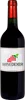
Winery Michael ShapsCabernet Sauvignon
 wine
wine
This wine generally goes well with
The Cabernet Sauvignon of the Winery Michael Shaps is in the top 0 of wines of Monticello.

Details and technical informations about Winery Michael Shaps's Cabernet Sauvignon.
Discover the grape variety: Mauzac Vert
Lively, aromatic dry whites with a pale golden hue and green highlights, slender body and sharp acidity; signature aromas of green apple, white flowers (acacia), citrus (lemon) and herbaceous notes. Also used for crisp, lively sparkling wines by the ancestral method. Preserved for its heritage value, it survives in a few confidential plots in Gaillac and Limoux. Green-skinned mutation of Mauzac, emblematic South-West white grape.
Informations about the Winery Michael Shaps
The Winery Michael Shaps is one of of the world's great estates. It offers 24 wines for sale in the of Monticello to come and discover on site or to buy online.

The wine region of Monticello
Central Virginia AVA around Charlottesville, wine land dreamed by Thomas Jefferson from 1770. Cabernet Franc signature red: elegant and fresh with signature notes of red cherry, raspberry, bell pepper, fresh herbs, spice and peppery touch, fine tannins and thirst-quenching mouth — local reference. Viognier as Virginia's signature white (apricot, honey, flowers), dense Petit Verdot, taut Petit Manseng, ample Chardonnay. Blue Ridge Piedmont soils.
The wine region of Virginia
Quality pole of the American east coast, unique signature in Viognier: ample, fragrant whites with notes of apricot, white peach, honey and flowers, silky on the palate. Cabernet Franc star in red, fine and fresh (raspberry, ripe pepper, spices). Also dense Petit Verdot, round Merlot, balanced Chardonnay, Vidal Blanc and native Norton. Humid continental climate tempered by the Appalachians, 8 AVAs (Monticello, Shenandoah).
The word of the wine: Deposit
Solid particles that can naturally coat the bottom of a bottle of wine. It is rather a guarantee that the wine has not been mistreated: in fact, to avoid the natural deposit, rather violent processes of filtration or cold passage (- 7 or - 8 °C) are used in order to precipitate the tartar (the small white crystals that some people confuse with crystallized sugar: just taste to dissuade you from it)