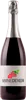
Winery Maxim's de ParisCour de Mandelotte Bordeaux Moelleux
 Sweet wine
This wine generally goes well with

Details and technical informations about Winery Maxim's de Paris's Cour de Mandelotte Bordeaux Moelleux.
Discover the grape variety: Datal
Simple, fresh dry whites with a pale golden robe, a supple palate with moderate acidity on undemonstrative citrus and white flower aromas. Discreet rustic profile. Preserved in a few ampelographic collections, it belongs to the ancient varieties with patrimonial value whose commercial diffusion has virtually disappeared and which are studied for their genetic and historical interest. Rare and poorly documented white variety, grown in confidential quantities.
Informations about the Winery Maxim's de Paris
The Winery Maxim's de Paris is one of of the world's greatest estates. It offers 42 wines for sale in the of Bordeaux Moelleux to come and discover on site or to buy online.

The wine region of Bordeaux Moelleux
Emblematic style of Bordeaux off-dry whites (10-50 g sugar/L), produced across the entire AOC area from over-ripened grapes (botrytised or passerillé). Signature Sémillon dominant: golden, round whites with signature notes of honey, apricot, candied fruits, citrus, vanilla and a quince touch, unctuous, fresh palate. Sauvignon Blanc brings taut acidity, Muscadelle the floral aromatic. Accessible, gastronomic style, affordable alternative to Sauternes.
The wine region of Bordeaux
World-renowned age-worthy reds, led by round Merlot (plum, black fruit) or firm Cabernet Sauvignon (blackcurrant, cedar, graphite), blended with Cabernet Franc and Petit Verdot for tannic structure. Structured Médoc and Graves, velvety Saint-Émilion and Pomerol. Also crisp dry whites (Sauvignon/Sémillon) and opulent sweet Sauternes with honey and candied fruit. A 110,000 ha Gironde vineyard, 65 appellations, cradle of the 1855 classified growths.
The word of the wine: Extraction
All the methods (pumping over, punching down) that allow the colour and tannins to be extracted from the grape skin during maceration, before fermentation begins. It is also possible to macerate after fermentation, but gently, so as not to extract the tannins from the seeds, which are greener. Because of its solvent power, alcohol favours extraction.