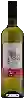
Winery MatkovicNevera
 Red wine
This wine generally goes well with
The Nevera of the Winery Matkovic is in the top 70 of wines of Slavonija.




Details and technical informations about Winery Matkovic's Nevera.
Discover the grape variety: Turbiana
Structured, aromatic dry whites with a pale golden robe, an ample palate and sharp acidity, with signature aromas of bitter almond (hallmark), white flowers (acacia), yellow fruits (pear, peach) and lacustrine mineral notes. Fine ageing potential, an identity profile from Lake Garda. Absolute star of Lugana DOC. Identical to Verdicchio of the Marches and Trebbiano di Soave, an autochthonous Italian variety from Veneto and Lombardy.
Informations about the Winery Matkovic
The Winery Matkovic is one of of the world's greatest estates. It offers 7 wines for sale in the of Slavonija to come and discover on site or to buy online.

The wine region of Slavonija
Croatia's largest wine region in the east between Drava, Danube and Sava. Graševina (Welschriesling) signature white king: lively and fruity with signature notes of green apple, pear, citrus, white flowers, fresh herbs and almond hint, taut quenching palate — the soul of Slavonia. Aromatic Traminac (lychee, rose), ample Chardonnay, lively Sauvignon. Peppery Frankovka (Blaufränkisch), firm Cabernet reds.
The wine region of Continental Region
Vast inland Croatia (Kontinentalna Hrvatska) from Karlovac to Vukovar via Zagreb, continental climate distinct from the Mediterranean coast. Signature Graševina (Welschriesling) as white king: lively and fruity with notes of green apple, pear, citrus, white flowers, sweet almond and a mineral touch, taut and thirst-quenching palate — the inland soul (two-thirds whites). Aromatic Traminac (lychee, rose), fine Pinot Blanc, full Chardonnay, taut Riesling. Airy Pinot Noir emerges.
The word of the wine: Ventilation
Aeration is the process of decanting the wine to oxygenate it and thus promote the expression of the aromatic range and the harmony of the flavours.